Charles Barton

Charles Barton

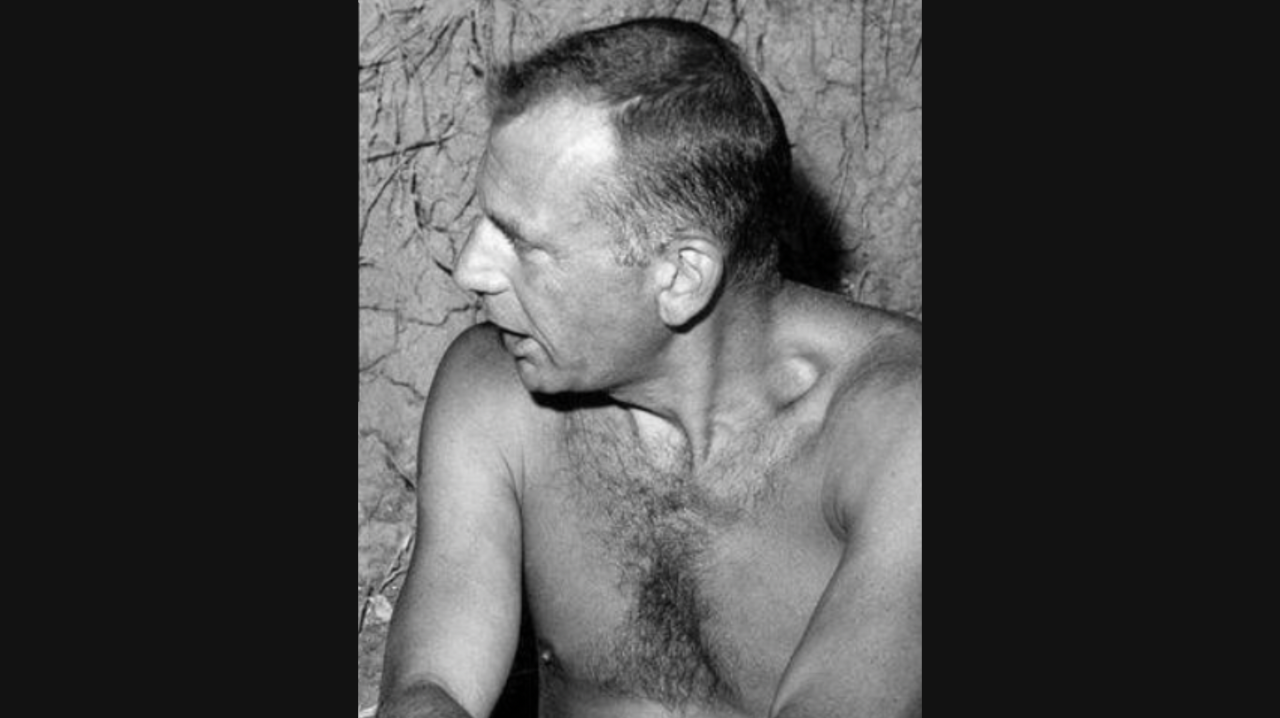
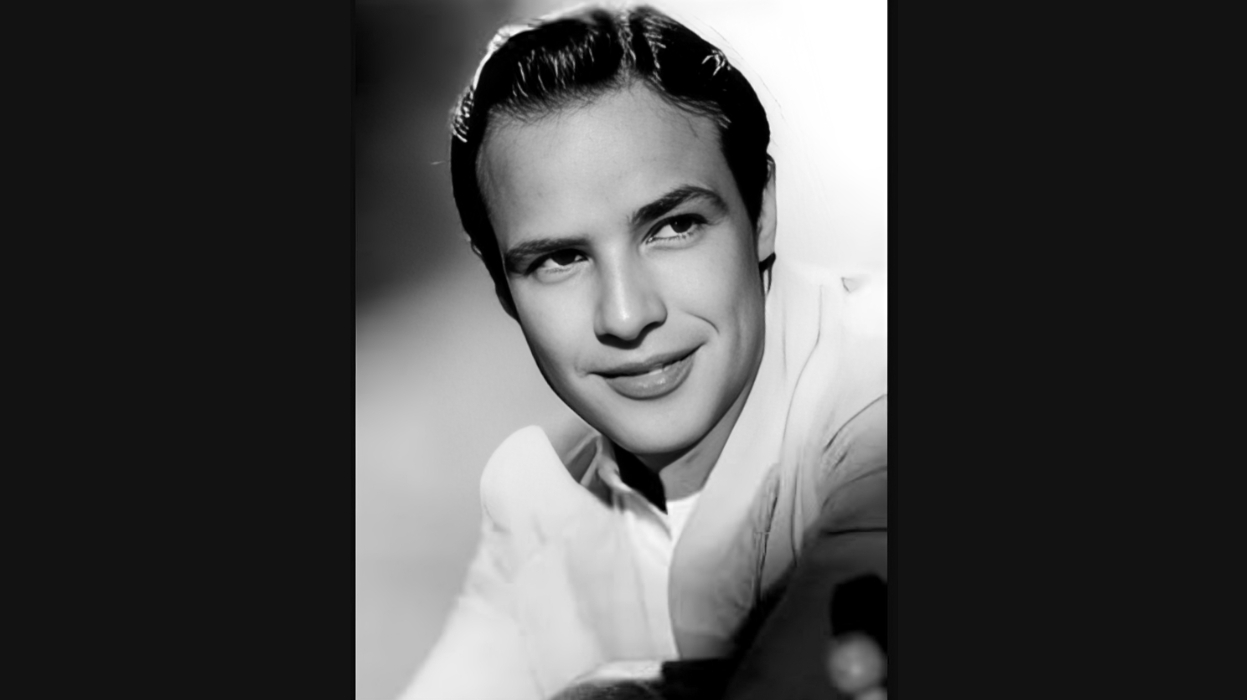
Charles Thomas Barton (May 25, 1902 – December 5, 1981) was an American film and television director known for his work primarily in the comedy genre. He began his career in the 1930s, initially working as a director in the theatre before transitioning to film. He is best remembered for directing several notable films, including "A Man's World" (1942) and "The Shaggy Dog" (1959). Barton also directed numerous episodes of popular television series such as "Dennis the Menace" (1960-1963) and "Family Affair" (1967-1971). His directing style was characterized by its emphasis on humor and storytelling.


Known for films such as: Africa Screams

Harry Beaumont

Harry Beaumont

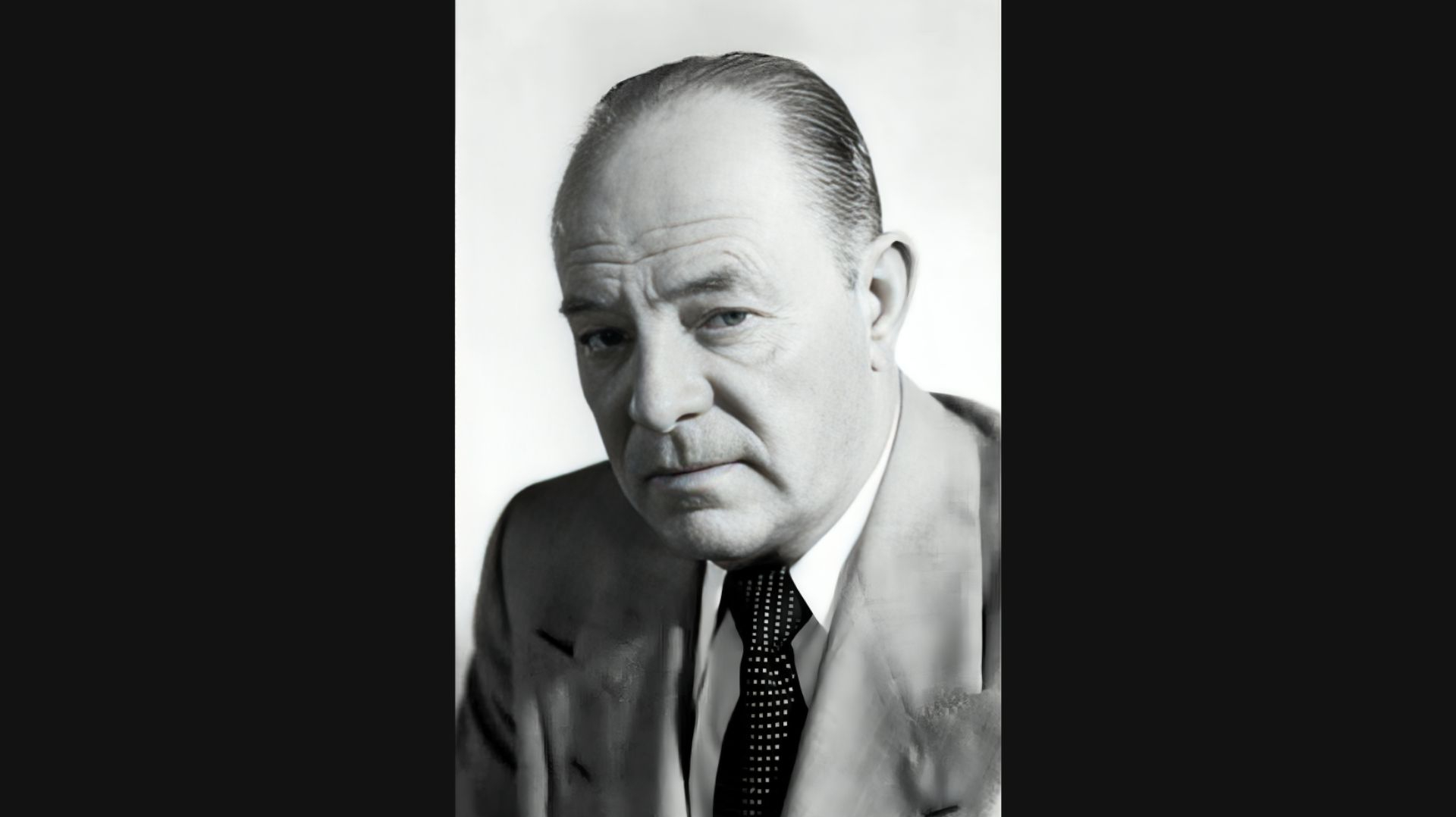
Harry Beaumont (10 February 1888 – 22 December 1966) (February 10, 1888 – December 22, 1966) was an American film director, screenwriter, and former actor whose career spanned the silent and early sound eras. He worked for several major studios, including MGM, Fox, and Warner Bros., and built a reputation as a dependable director of popular mainstream films. He began in film as an actor and writer in the 1910s before moving into directing, where he found his greatest success in the 1920s at MGM. His notable silent-era films include Beau Brummel (1924) starring John Barrymore and Our Dancing Daughters (1928) with Joan Crawford, which helped establish her as a major star. Beaumont directed MGM’s first all-talking musical, The Broadway Melody (1929), which won the Academy Award for Best Picture and earned him a nomination for Best Director. He continued directing through the 1930s and 1940s, though mostly in lesser-profile productions, including later “Maisie” films. He was married to actress Hazel Daly, with whom he had twin daughters. Beaumont retired in 1948 after Alias a Gentleman and died in Santa Monica, California, in 1966.


Known for films such as: Speedway

Frank Borzage

Frank Borzage

Stephen Borzaga (April 23, 1894 – June 19, 1962) was an American film director and actor known for his influential work in both silent and sound films. He began his career as an actor in silent films before transitioning to directing. Borzage is celebrated for his romantic and melodramatic films, with notable works including "Seventh Heaven" (1927), "Street Angel" (1928), and "Bad Girl" (1931). His direction of "7th Heaven" won him the Academy Award for Best Director, and he received a second Academy Award for "Bad Girl" (1932). Borzage's films were known for their emotional depth and innovative use of camera techniques. Despite his significant contributions to cinema, Borzage's work is often remembered more for its artistic qualities than for commercial success. His legacy is marked by his enduring influence on the romantic genre and his commitment to storytelling through film.


Known for films such as: A Farewell to Arms

George Breakston

George Breakston

George Paul Breakston (January 21, 1920 – May 21, 1973) was an French-American actor and director known for his work in film and television. He began his career in the entertainment industry as an actor and later made a notable transition into directing. He is best remembered for directing the low-budget horror film "The Manster" (1959), a science-fiction thriller about a man who undergoes a terrifying transformation. In addition to his directing work, Breakston appeared in various films and television shows throughout his career. His work in "The Manster" gained recognition for its inventive approach to the genre and remains a cult favorite among horror enthusiasts.


Known for films such as: The Manster

Clyde Bruckman

Clyde Bruckman

Clyde Adolf Bruckman (June 30, 1894 – January 4, 1955) was an American screenwriter and director known for his contributions to early Hollywood cinema. He began his career in the film industry as a writer and later expanded into directing. He is best remembered for his work on classic comedies and dramas during the silent and early sound eras. Bruckman was known for his collaborations with prominent directors such as W.C. Fields, Laurel and Hardy, The Three Stooges, Abbott and Costello and Harold Lloyd. Hollywood chronicler Kenneth Anger considered Bruckman to have been one of the key figures in the history of American screen comedyHis work contributed to the development of comedic storytelling and film techniques during a transformative period in Hollywood.


Known for films such as: The General