Kurt Maetzig

Kurt Maetzig

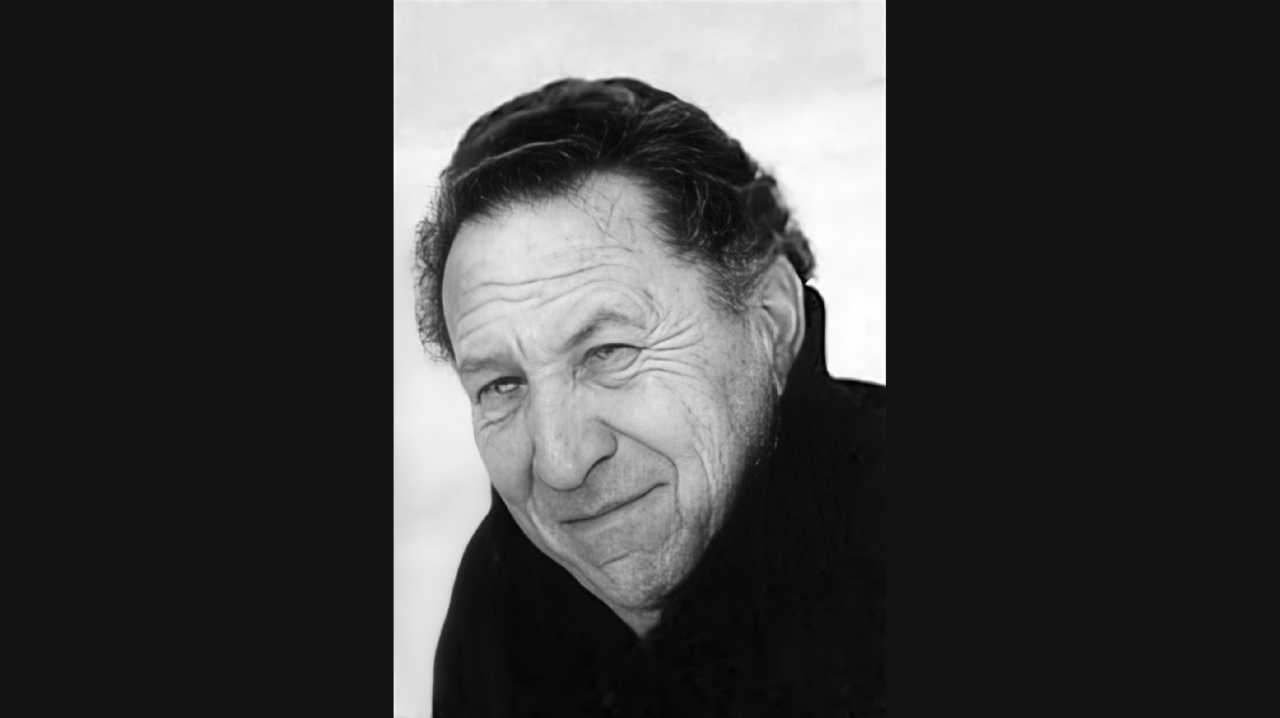
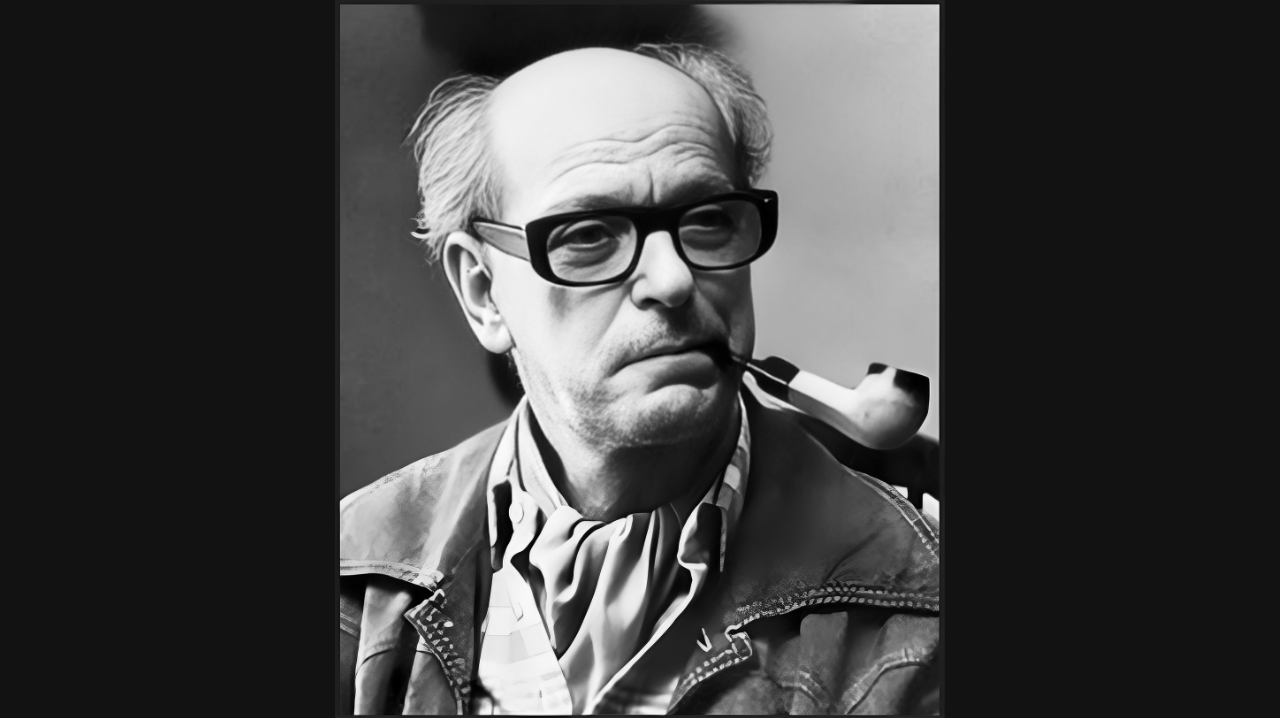
Kurt Maetzig (25 January 1911 – 8 August 2012) was a German film director and one of the most influential figures in East German cinema. After studying chemistry, philosophy, and art history, he became involved in filmmaking during the 1930s and later helped establish the state-run DEFA film studio after World War II. As one of the founding filmmakers of the German Democratic Republic’s film industry, Maetzig directed a wide range of films, including political dramas, historical epics, and science fiction. His notable films include Marriage in the Shadows (1947), The Council of the Gods (1950), and The Rabbit Is Me (1965). Known for his technical skill, ambitious storytelling, and commitment to socially conscious filmmaking, Maetzig remained one of the most respected directors of the GDR. After retiring from filmmaking, he lived in Mecklenburg until his death at the age of 101.

Known for films such as: First Spaceship On Venus

Rouben Mamoulian

Rouben Mamoulian

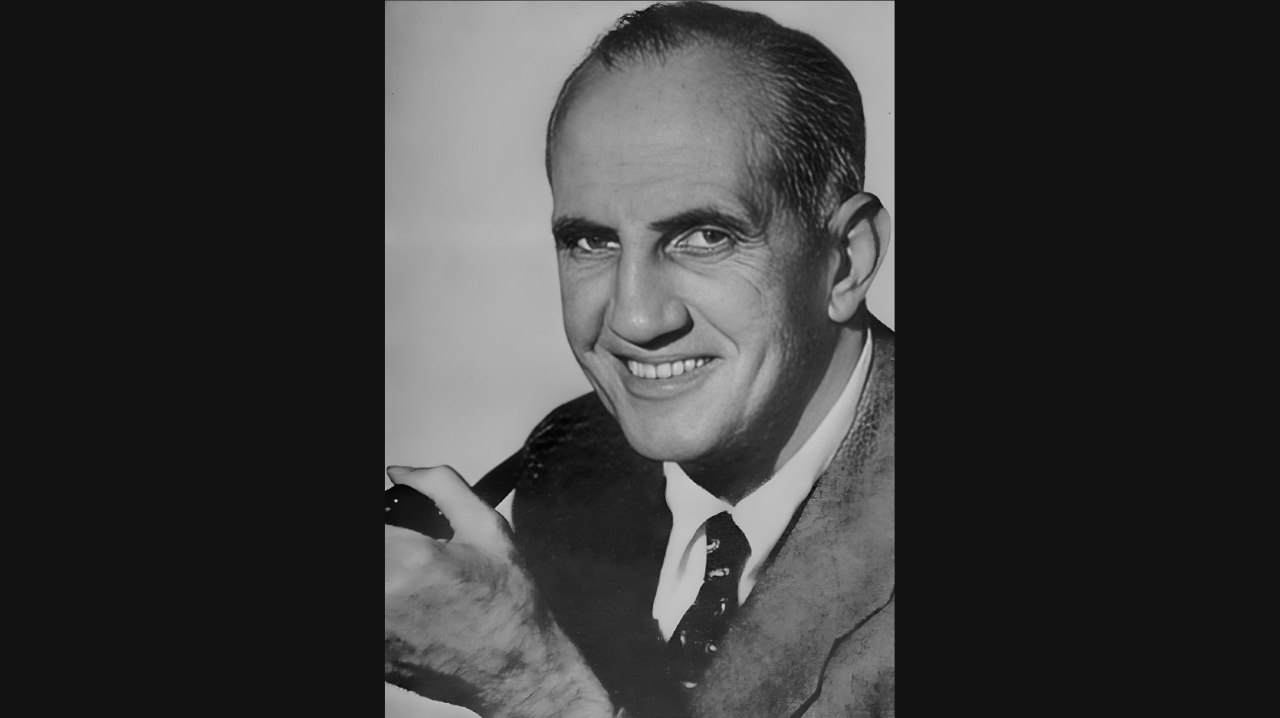
Rouben Zachary Mamoulian (October 8, 1897 - December 4, 1987) , Los Angeles, California, U.S.) was an influential Armenian-American film director known for his innovative work in early sound and color films. Mamoulian began his career in the theater before transitioning to film, where he became renowned for his imaginative and technically advanced direction. His notable films include "Dr. Jekyll and Mr. Hyde" (1931), praised for its innovative use of sound and special effects, and "Becky Sharp" (1935), one of the first films to use the three-color Technicolor process. Mamoulian's "Porgy and Bess" (1959) is also celebrated for its musical direction. Mamoulian’s legacy is marked by his pioneering techniques and artistic contributions to early cinema, leaving a lasting impact on the industry.


Known for films such as:  Becky Sharp

Anthony Mann

Anthony Mann

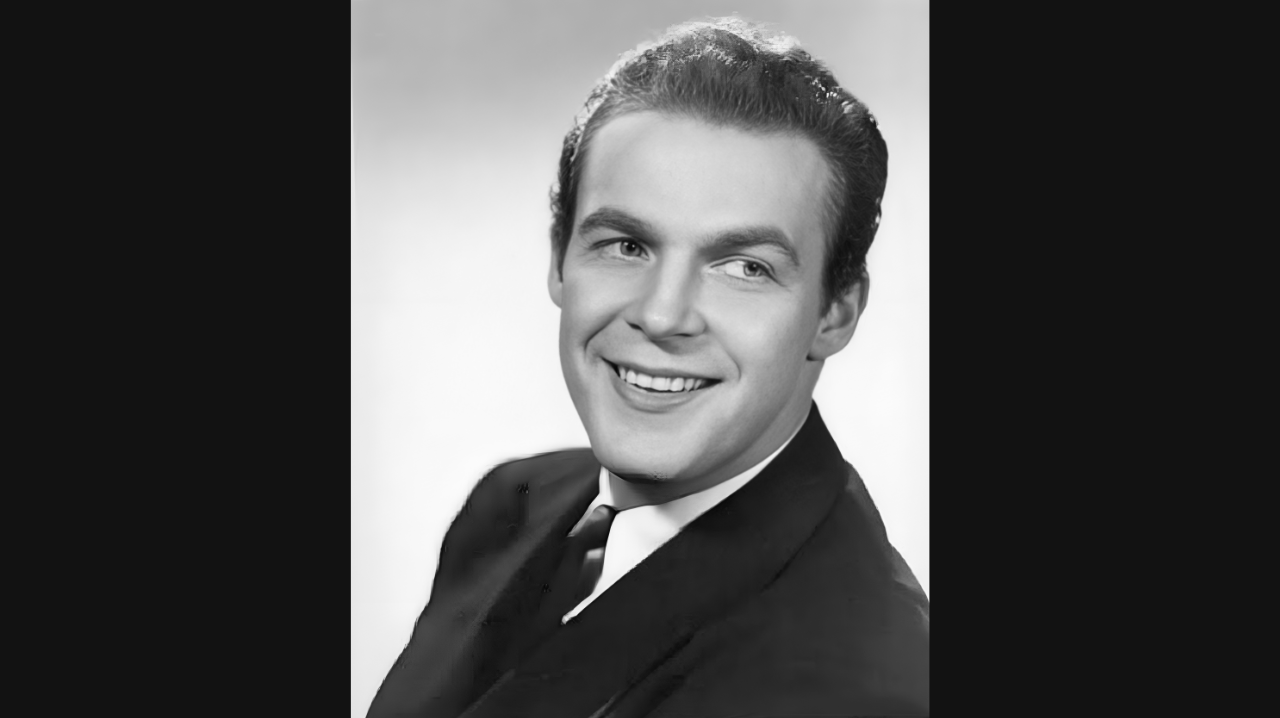
Emil Anton Bundsmann (June 30, 1906 – April 29, 1967) was a distinguished American film director known for his work in the film noir and western genres. Mann began his career in the 1930s as a stage director and transitioned to films, where he gained acclaim for his intense and visually striking style. His notable films include "T-Men" (1947) and "Raw Deal" (1948), both influential examples of film noir with their gritty realism and innovative cinematography. Mann also directed several acclaimed westerns, such as "Winchester '73" (1950) and "The Far Country" (1954), which showcased his skill in crafting complex characters and dynamic action sequences. His films are celebrated for their craftsmanship and have left a lasting impact on both genres, cementing his reputation as a significant director in American cinema.


Known for films such as: God's Little Acre

George E. Marshall

George E. Marshall

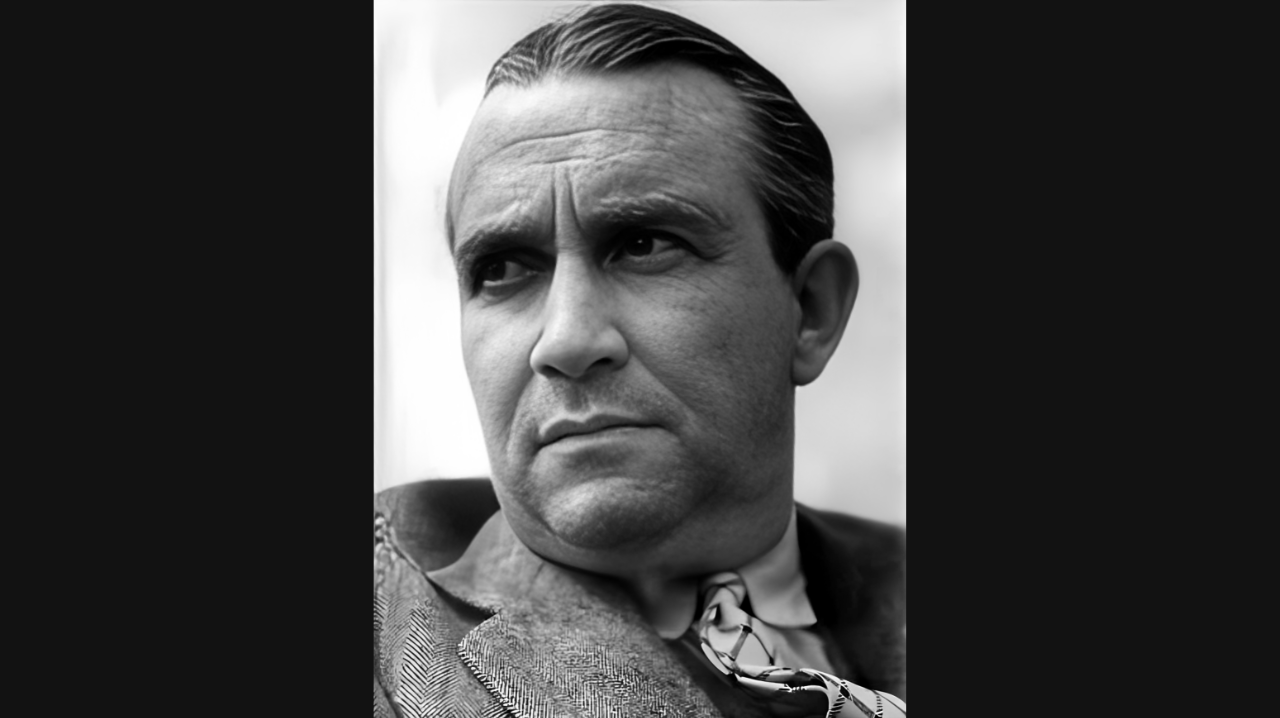
George Ernest Marshall was an American actor, screenwriter, producer, and film and television director whose career spanned more than six decades. Beginning in the silent film era, Marshall became one of Hollywood's most versatile and dependable filmmakers, directing comedies, Westerns, dramas, and musicals. His notable films include "Destry Rides Again" (1939), "The Blue Dahlia" (1946), "The Perils of Pauline" (1947), "My Friend Irma" (1949), and "The Sheepman" (1958). He also directed numerous television programs during the early years of the medium. Known for his craftsmanship, efficiency, and ability to work with major stars, Marshall remains one of Hollywood's most prolific and respected directors.


Known for films such as: The Perils of Pauline

William Marshall

William Marshall

William Horace Marshall (October 12, 1917 – June 7, 1994) was an American actor, singer, and director whose career encompassed film, television, and stage. A versatile performer, Marshall appeared in films such as "State Fair" (1945) and later expanded his career into directing and producing. He directed the science-fiction cult film "The Phantom Planet" (1961) and also directed "Calendar Girl" (1947) and produced "Hello God" (1951). Known for his wide-ranging talents behind and in front of the camera, Marshall left a distinctive mark on mid-20th-century American entertainment.


Known for films such as: The Phantom Planet

Andrew V. McLaglen

Andrew V. McLaglen

Andrew Victor McLaglen (July 28, 1920 – August 30, 2014) was a prominent British-American film and television director known for his work in Westerns and action films. McLaglen began his career in the film industry as an assistant director and transitioned to directing in the 1950s. He is best known for his work on popular Western films such as "McLintock!" (1963), a comedy-western starring John Wayne, and "The Devil's Brigade" (1968), a World War II action film. McLaglen also directed a range of successful television series, including "Gunsmoke" and "Have Gun – Will Travel." McLaglen’s contributions to the Western genre and television are well-regarded, marking him as a significant figure in American entertainment.


Known for films such as: McLintock!

William Cameron Menzies

William Cameron Menzies

William Cameron Menzies (July 29, 1896 – March 5, 1957) was an influential American art director, production designer, and film director known for his groundbreaking visual style and imaginative approach to filmmaking. Menzies began his career as an art director, earning recognition for his elaborate sets and innovative use of design to enhance storytelling. He won the Academy Award for Best Art Direction for The Dove (1927) and The Tempest (1928), and later became one of the earliest filmmakers to be credited as a production designer. His directorial work includes Things to Come (1936), celebrated for its visionary depiction of the future, and Invaders from Mars (1953), a landmark science-fiction film known for its striking visual design. Menzies’ influence on cinematic design and visual storytelling helped establish the importance of production design as a vital element of film art.


Known for films such as: Things To Come

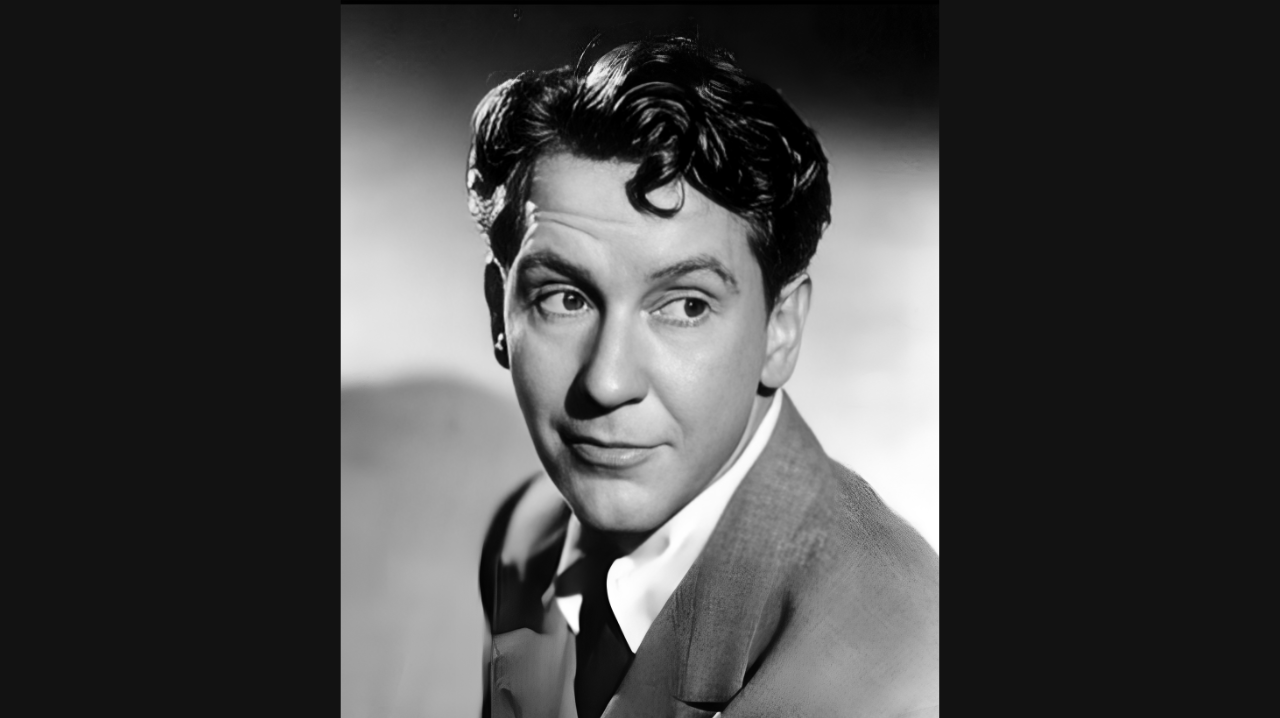
Burgess Meredith

Burgess Meredith

Oliver Burgess Meredith (November 16, 1907 – September 9, 1997) was an American actor, director, and filmmaker whose career spanned more than six decades across radio, theater, film, and television. Best known as one of Hollywood’s most accomplished character actors, Meredith also pursued a career behind the camera, directing both feature films and documentary shorts. His directorial credits include The Man on the Eiffel Tower (1949), which he co-directed with Irving Allen, the satirical comedy The Yin and the Yang of Mr. Go (1970), and the documentary short The Jet Propelled Couch (1966). Although his reputation rests primarily on his acclaimed acting career—including Academy Award-nominated performances and memorable roles in films such as Of Mice and Men (1939), The Day of the Locust (1975), and the Rocky series—Meredith’s work as a director demonstrated his interest in unconventional stories and distinctive cinematic styles. His contributions to film and television established him as one of the most versatile figures in American entertainment.


Known for films such as: The Man On the Eiffel Tower

Louis Milestone

Louis Milestone

Leib Milstein (September 30, 1895 – September 25, 1980) was a Russian-American motion picture director known for his versatile and impactful work across various genres. Milestone began his career in the film industry in the 1920s and gained acclaim for his innovative and socially conscious films. His notable works include "All Quiet on the Western Front" (1930), a groundbreaking war film that won the Academy Award for Best Picture and was praised for its realistic portrayal of World War I. He also directed "The Front Page" (1931), another Academy Award-winning film that showcased his skill in adapting stage plays for the screen. Milestone received a second Academy Award for Best Director for "Two Arabian Knights" (1927). His career spanned several decades, and his films are celebrated for their technical excellence and storytelling.


Known for films such as: The Strange Love of Martha Ivers

William M. Morgan

William M. Morgan

William Martin Morgan (1899–1964) was a British film editor and director known for his diverse contributions to cinema. Born in London, Morgan started his career as an editor before making a name for himself as a director. His notable directorial works include "Bowery Boy" (1940), "Mercy Island" (1941), and "The Violent Years" (1956). As an editor, Morgan's work is distinguished in films such as "Song of the South" (1946) and "Portrait of Jennie" (1948). He also contributed to popular TV series like "Dragnet" (1954-1955) and "Lassie" (1954-1957). His career spanned several decades, showcasing his versatility in both directing and editing across various genres and formats.


Known for films such as: The Violent Years