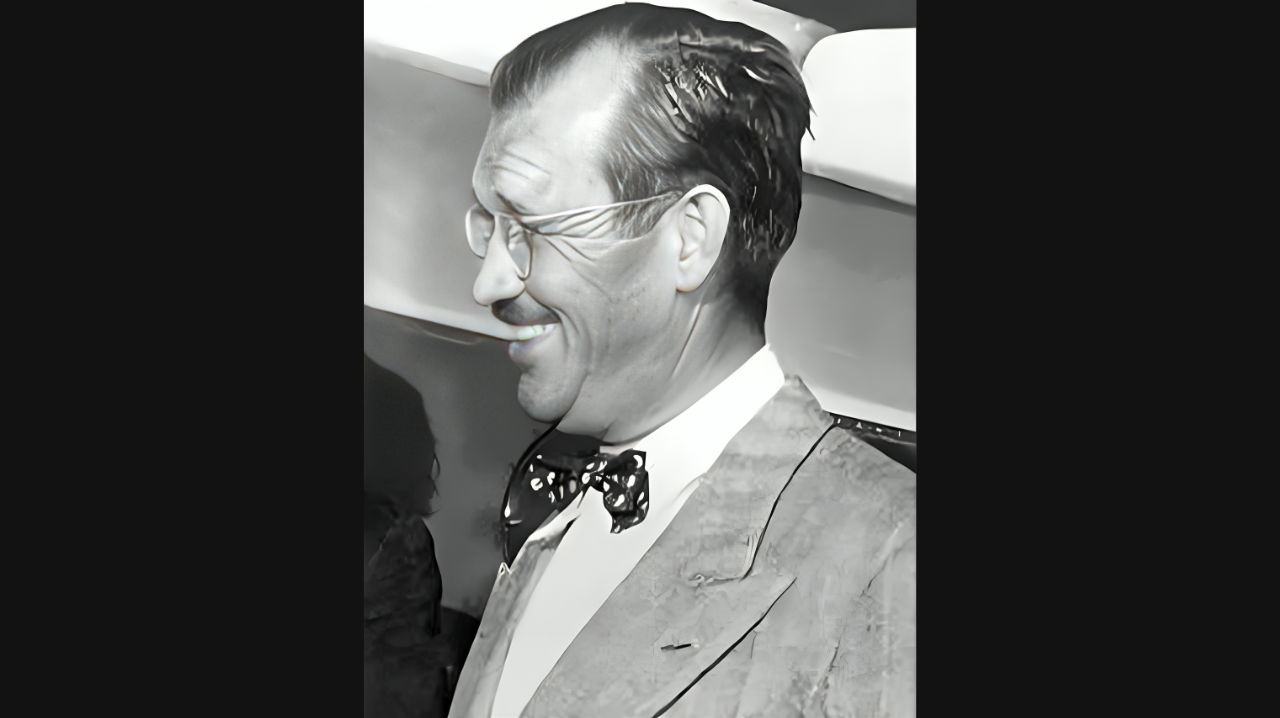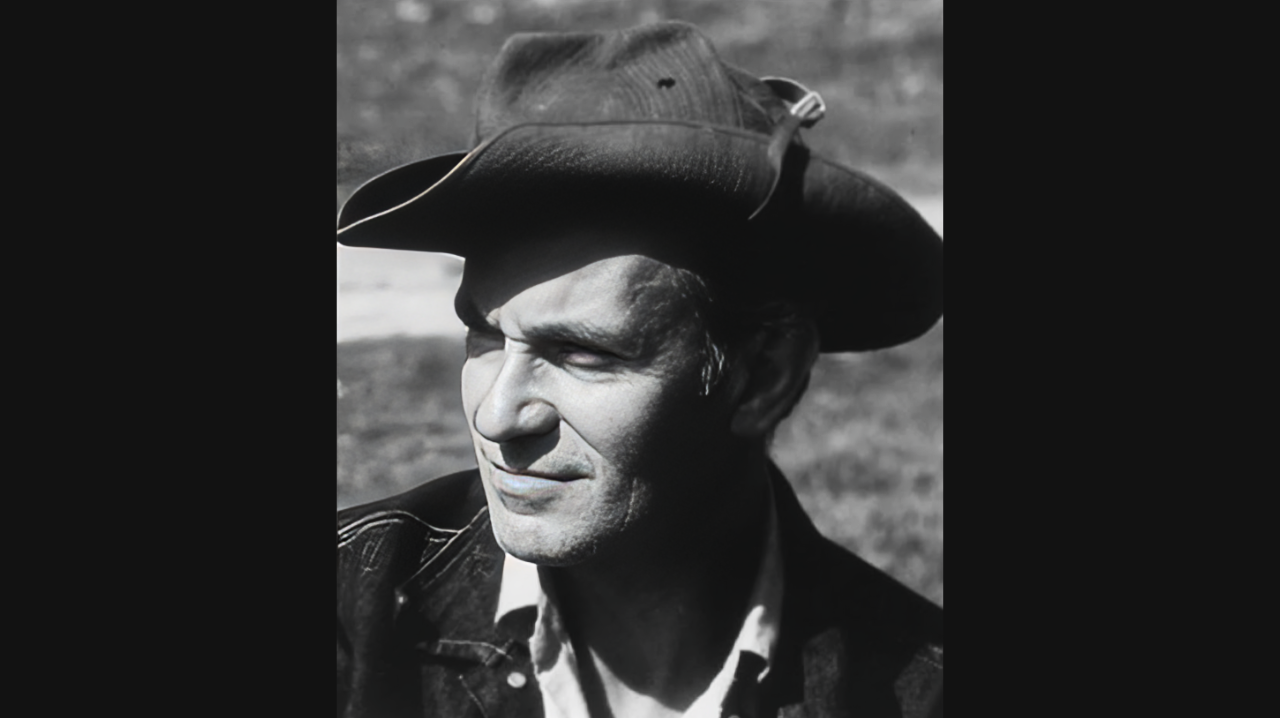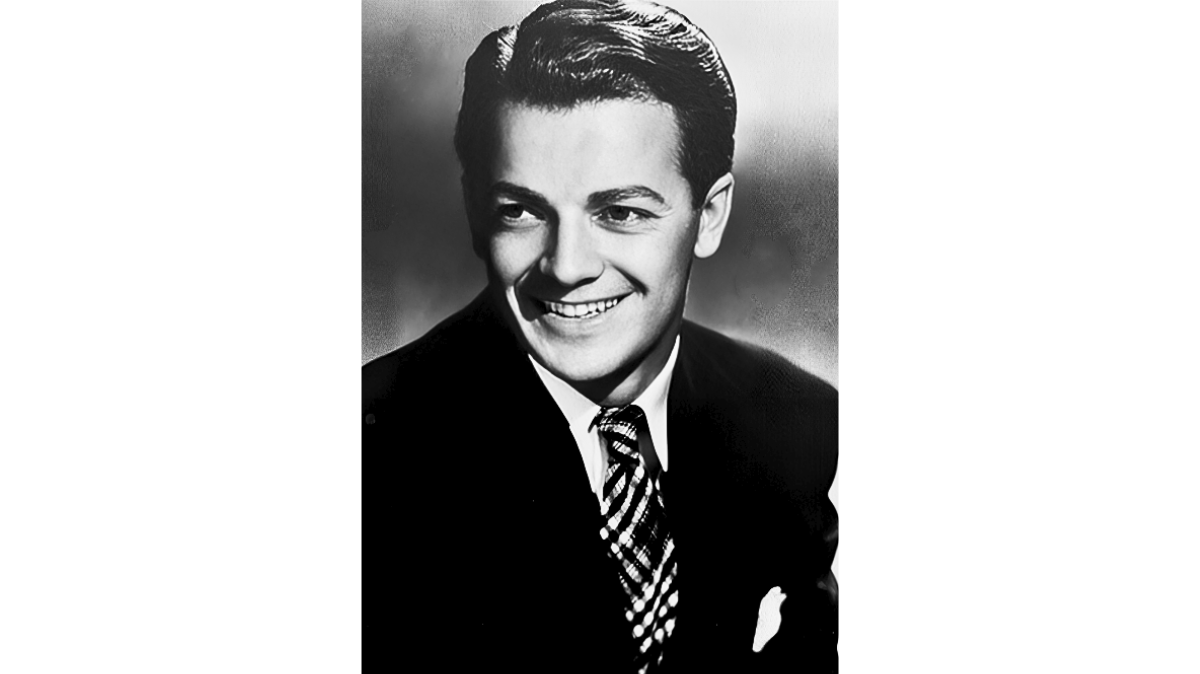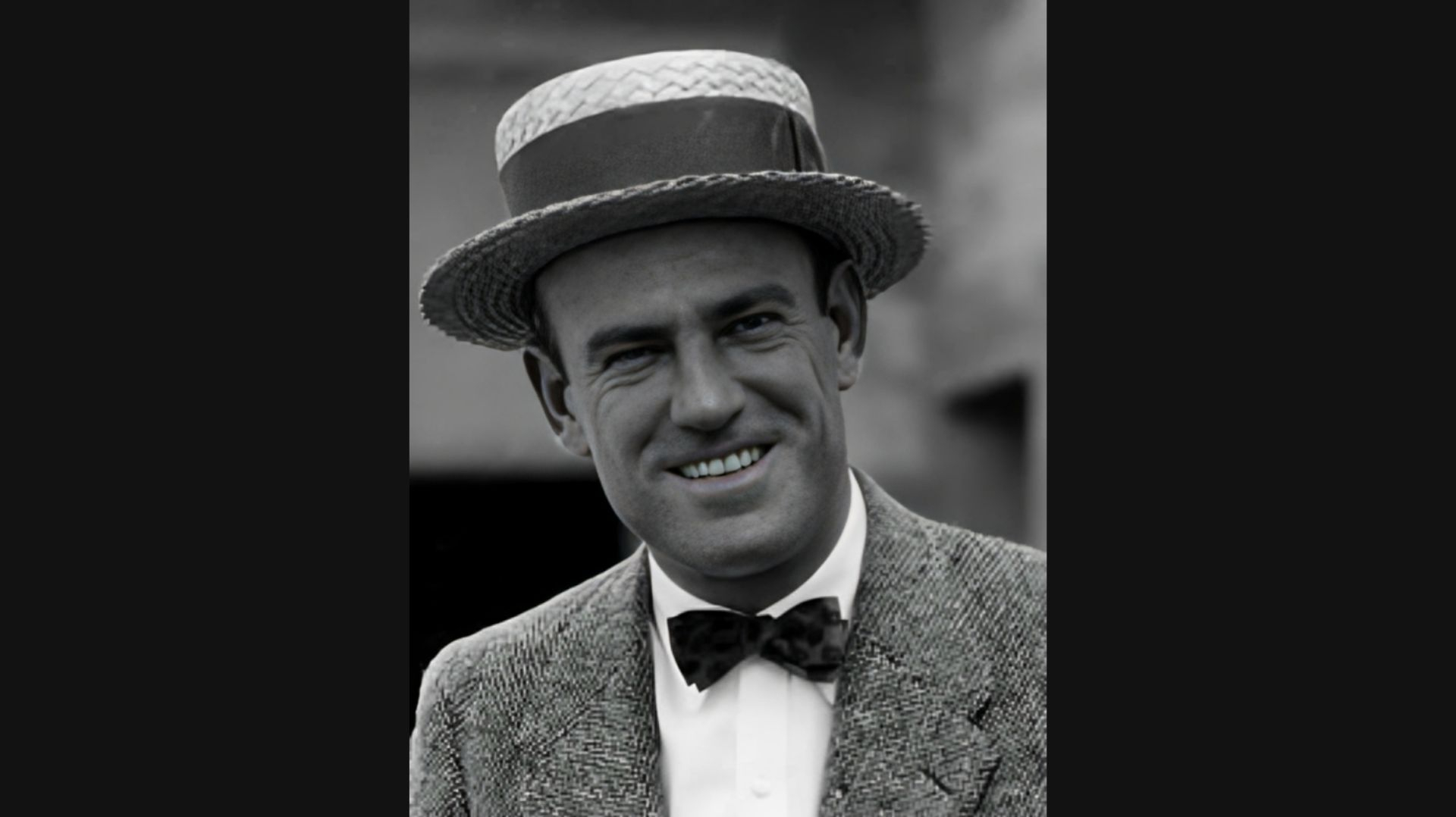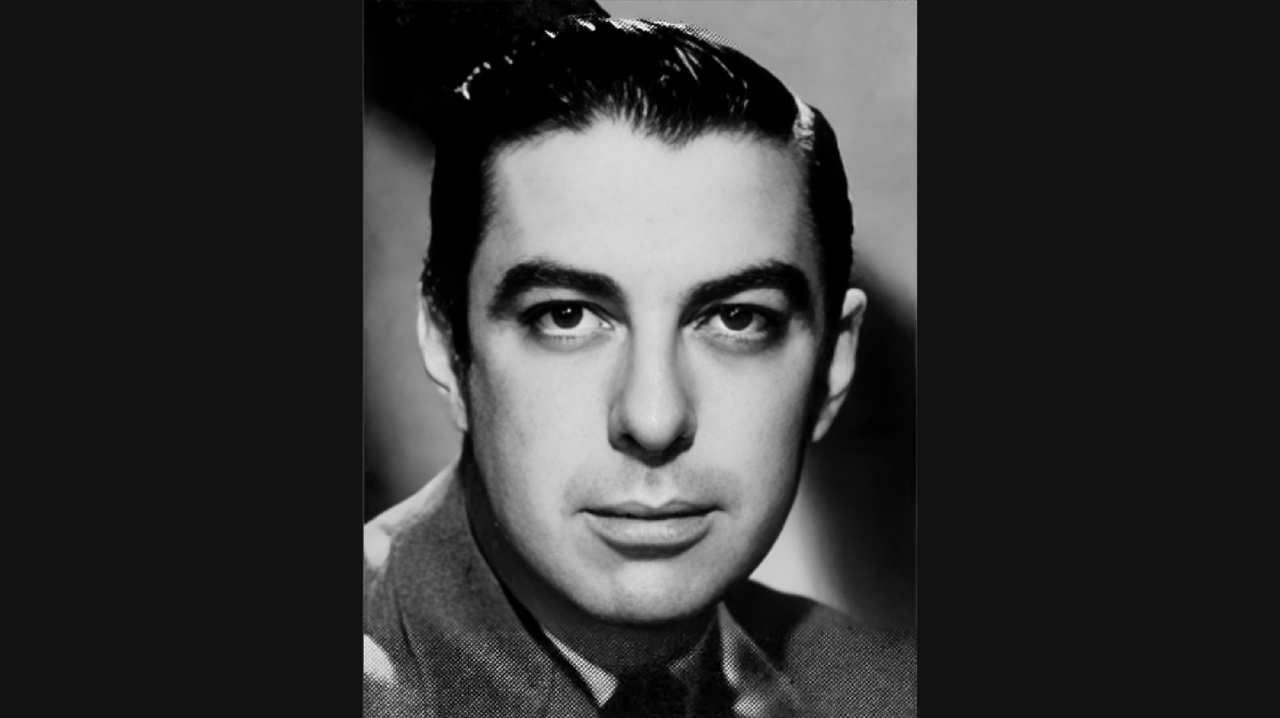
Hal Walker

Hal Walker

Harold Walker (March 20, 1896 – July 3, 1972) was an American film director and producer known for his work in comedy and musical films during the mid-20th century. Walker began his career in the 1930s and gained recognition for his directing style that blended humor with engaging storytelling. He directed notable films such as "The Stork Club" (1945) and "Road to Zanzibar" (1941), a comedy starring Bing Crosby and Bob Hope. Walker also worked with popular stars of the era and contributed to the genre's development with his adept handling of comedy and musical elements. His work is appreciated for its contributions to the entertainment and comedic films of his time.


Known for films such as: At War With The ArmyRoad to Bali.

Nicholas Webster

Nicholas Webster

Nicholas Webster (July 24, 1912 – August 12, 2006) was an American film and television director. He is chiefly remembered for his CBS program The Violent World of Sam Huff (1960; featuring the first use of a wireless microphone on television); the ABC Close Up documentary Walk in My Shoes (1961), nominated for an Emmy as the best television program of the year.


Known for films such as: Santa Claus Conquers the Martians

William A. Wellman

William A. Wellman

William Augustus Wellman (February 29, 1896 – December 9, 1975) was an influential American film director known for his diverse and pioneering work in Hollywood. Wellman began his career in the silent film era and transitioned successfully into sound films, directing a wide range of genres including drama, action, and war. His notable films include "Wings" (1927), which won the first Academy Award for Best Picture and showcased his skill in epic storytelling and technical innovation, and "The Public Enemy" (1931), a seminal gangster film that helped define the genre. He also directed "A Star is Born" (1937), a classic drama that earned him an Academy Award nomination for Best Director. Wellman’s career spanned over four decades and his contributions to cinema are celebrated for their impact on film genres and storytelling techniques.


Known for films such as: Nothing Sacred & A Star Is Born

Crane Wilbur

Crane Wilbur

Irwin Crane Wilbur (November 17, 1886 – October 18, 1973) was an American actor, screenwriter, and director known for his work in both silent and sound films. Wilbur began his career in the 1920s and became known for his versatility across various genres. He directed notable films such as "The Bat" (1959), a mystery-thriller, and "Yellow Cargo" (1936), an early sound film that demonstrated his ability to adapt to new cinematic techniques. Wilbur also appeared as an actor in films like "Captain Calamity" (1936) and "Public Opinion" (1935). Wilbur’s contributions to film, particularly in the areas of directing and screenwriting, are recognized for their impact on early and mid-20th-century cinema.


Known for films such as: The Bat

Cornel Wilde

Cornel Wilde

Kornél Lajos Weisz (October 13, 1912 – October 16, 1989) was an American actor and director known for his dynamic performances in film and television. He immigrated to the United States and began his acting career in the 1930s. Wilde gained prominence with roles in films such as "Road House" (1948), "The Naked Prey" (1965), and "The Greatest Show on Earth" (1952), for which he was nominated for an Academy Award for Best Supporting Actor. In addition to his acting career, Wilde directed and produced several films, including "The Devil's Hairpin" (1957) and "Star of India (1954). His contributions to cinema were marked by his versatility and commitment to his craft, making him a notable figure in mid-20th-century film.


Known for films such as: The Big Combo and Sword of Lancelot

Sam Wood

Sam Wood

Samuel Grosvenor Wood (July 10, 1883 – September 22, 1949) was an American film director and producer known for a long career at Paramount and MGM, where he developed a reputation for efficient, professional filmmaking. He began in real estate before entering the film industry in the early 1900s, working as an assistant to Cecil B. DeMille. He became a director in 1920, quickly establishing himself as a reliable studio filmmaker. Wood directed a wide range of films, from light comedies to major dramas. His biggest successes include A Night at the Opera (1935) and A Day at the Races (1937) with the Marx Brothers, as well as acclaimed later films such as Goodbye, Mr. Chips (1939), Kings Row (1942), and For Whom the Bell Tolls (1943). He also contributed uncredited work to Gone with the Wind (1939). Known for being fast, disciplined, and budget-conscious, Wood was highly valued by studios, though sometimes criticized for being rigid in style. Wood received multiple Academy Award nominations and was regarded as one of Hollywood’s dependable “craftsman” directors. He died of a heart attack in 1949 in Hollywood and left behind a large body of studio-era film work.


Known for films such as: It's A Great Life

Richard Whorf

Richard Whorf

Richard Whorf (June 4, 1906 – December 14, 1966) was an American actor, writer, producer, and film director known for his contributions to Hollywood cinema and early television. He began his career as a performer before moving into writing and directing, bringing a strong background in acting and storytelling to his work behind the camera. Whorf directed films such as "Blues in the Night" (1941), a musical drama centered around jazz musicians, and "The Hidden Eye" (1945), a mystery thriller starring Edward Arnold. He also served as an associate producer on the Academy Award-winning musical biography "Yankee Doodle Dandy" (1942). Later in his career, Whorf became active in television, directing episodes of popular series including "The Beverly Hillbillies" and "The Adventures of Ozzie and Harriet." His career reflected the versatility of a Hollywood craftsman who successfully worked across acting, writing, producing, and directing during the golden age of American entertainment.


Known for such films as: Till the Clouds Roll By

Cornel Wilde

Cornel Wilde

Cornel Wilde (October 13, 1912 – October 16, 1989) was a Hungarian-American actor, director, producer, and screenwriter who became known for pursuing ambitious and independent film projects. After establishing a successful career as a leading actor, he turned increasingly to directing, making eight feature films between 1955 and 1975. His directing credits include Storm Fear (1955), The Devil's Hairpin (1957), Maracaibo (1958), The Naked Prey (1965), Beach Red (1967), No Blade of Grass (1970), and Sharks' Treasure (1975). Wilde produced and starred in many of his films, giving him unusual creative control. His most highly regarded film as a director was The Naked Prey, noted for its stark depiction of survival and striking African locations. He continued acting in film and television throughout his directing career.


Known for such films as: Sword of Lancelot

Wallace Worsley

Wallace Worsley

Wallace Ashley Worsley (December 8, 1878 – March 26, 1944) was an American film director and actor known for his contributions to early cinema. Worsley began his career in the theater before transitioning to film, where he became known for directing both silent and early sound films. He is best remembered for his work on the silent horror classic "The Hunchback of Notre Dame" (1923), which starred Lon Chaney and is noted for its innovative special effects and dramatic storytelling. Worsley also directed other films such as "The Penalty" (1920) and "A Man's Man" (1923), showcasing his skill in various genres. Worsley's work is recognized for its influence on the development of film and its contribution to early cinematic techniques.


Known for films such as: The Hunchback Of Notre Dame