
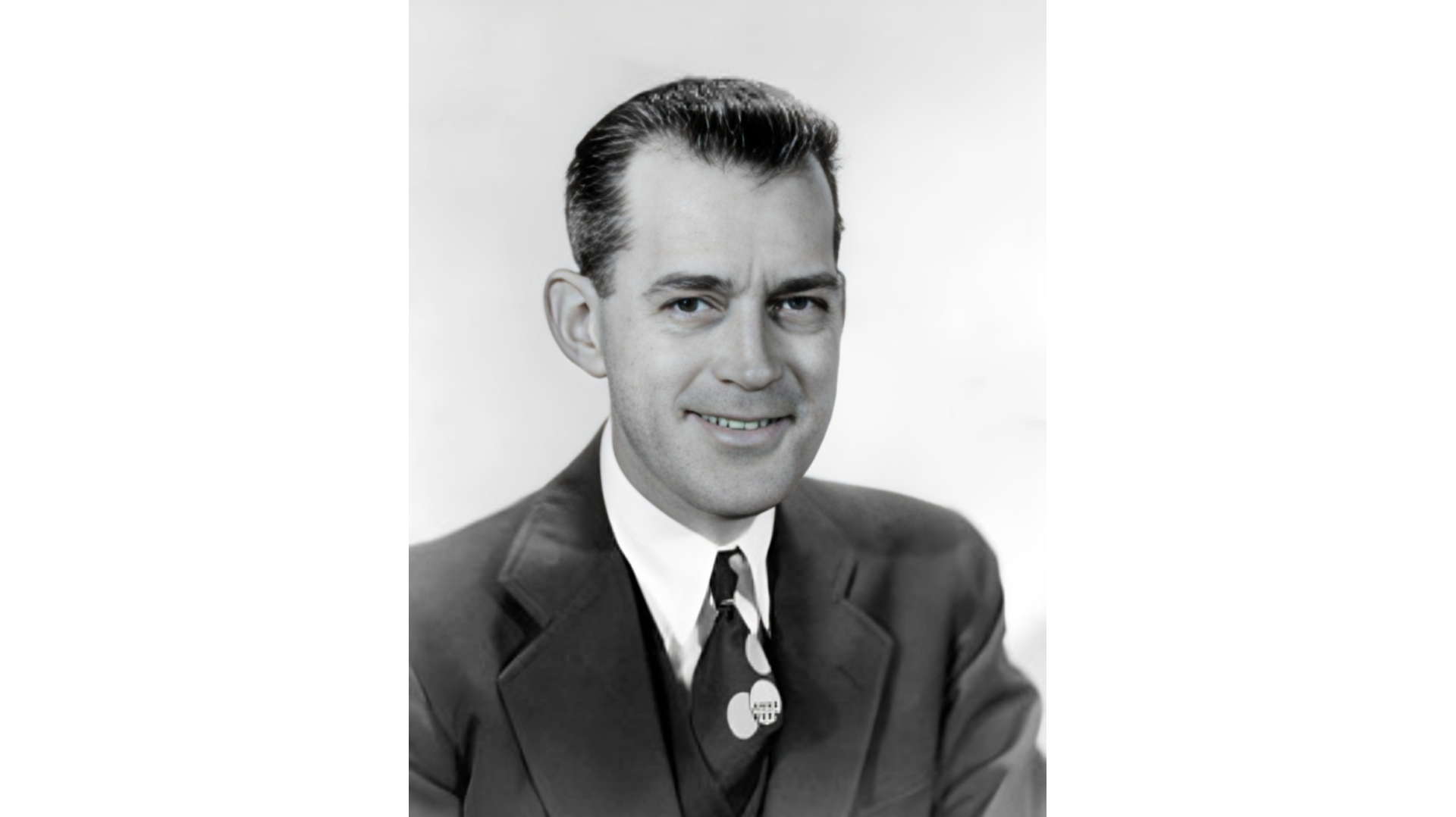
W.S. Van Dyke
Woodbridge Strong Van Dyke II (March 21, 1889 – February 5, 1943) W. S. Van Dyke (March 21, 1889 – February 5, 1943) was an American film director known for his fast-paced, efficient style and wide-ranging work across adventure films, dramas, and musicals. Nicknamed “One-Take Woody,” he was recognized for completing films quickly and often under budget while maintaining strong box-office appeal. Born in San Diego, California, Van Dyke began his career in film as an assistant to D. W. Griffith before directing his first features in the late 1910s. He worked steadily through the silent era, developing a reputation for versatility and speed. In the 1930s at MGM, he became one of the studio’s most reliable directors. His best-known films include Tarzan the Ape Man (1932), The Thin Man (1934), and San Francisco (1936), along with popular musical collaborations with Jeanette MacDonald and Nelson Eddy. He received Academy Award nominations for Best Director for The Thin Man and San Francisco. Despite declining health in the early 1940s, he completed Journey for Margaret (1942). Van Dyke died in 1943 in Los Angeles at the age of 53.
Known for films such as: The Pagan
