
Enjoy Our Podcasts
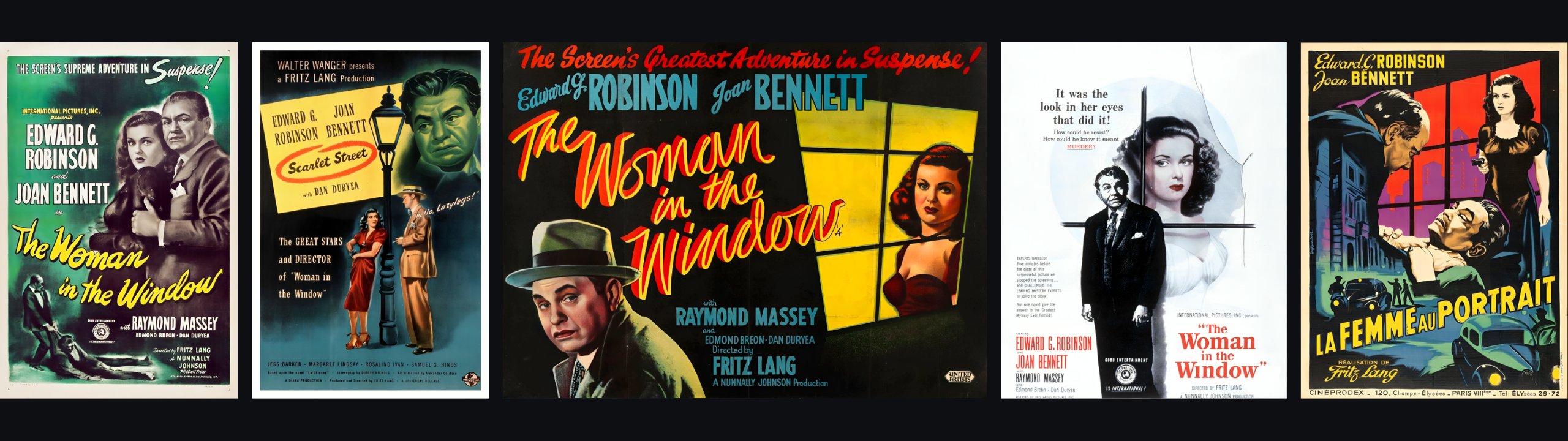
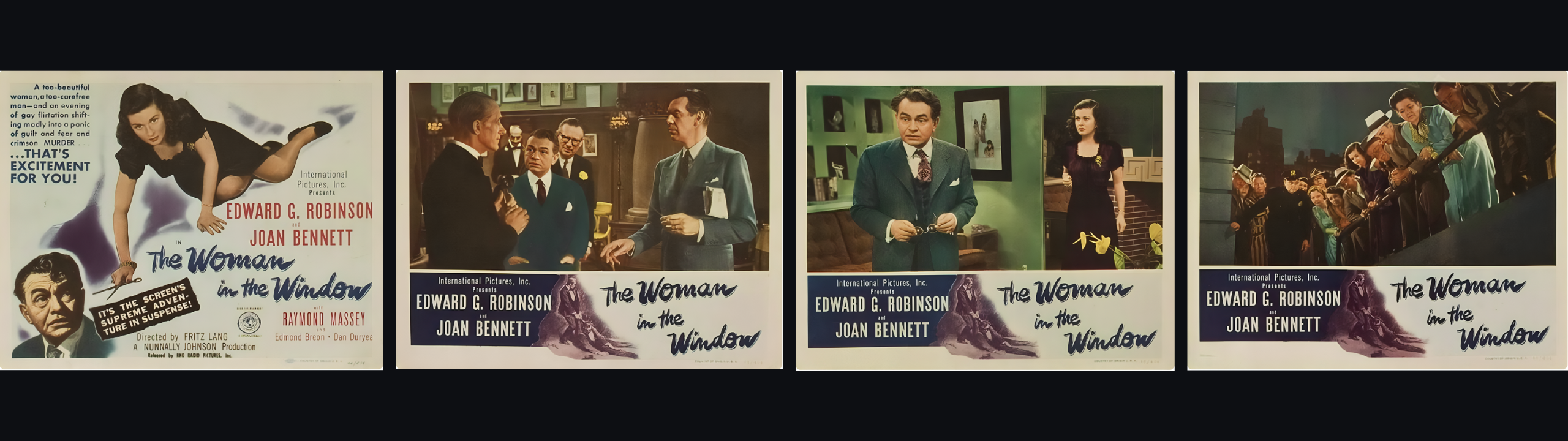
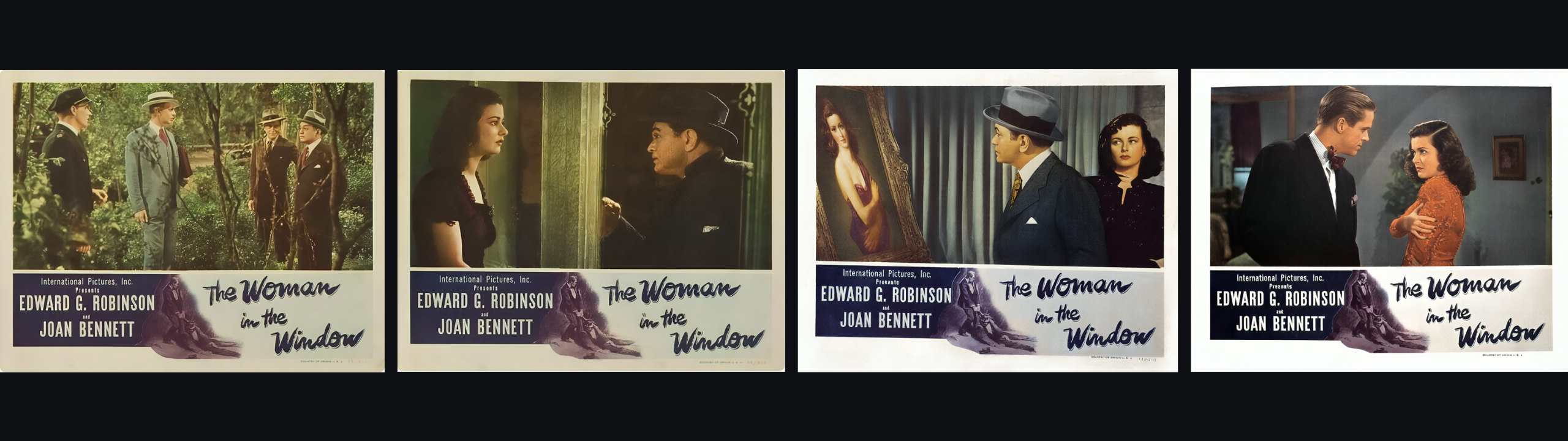
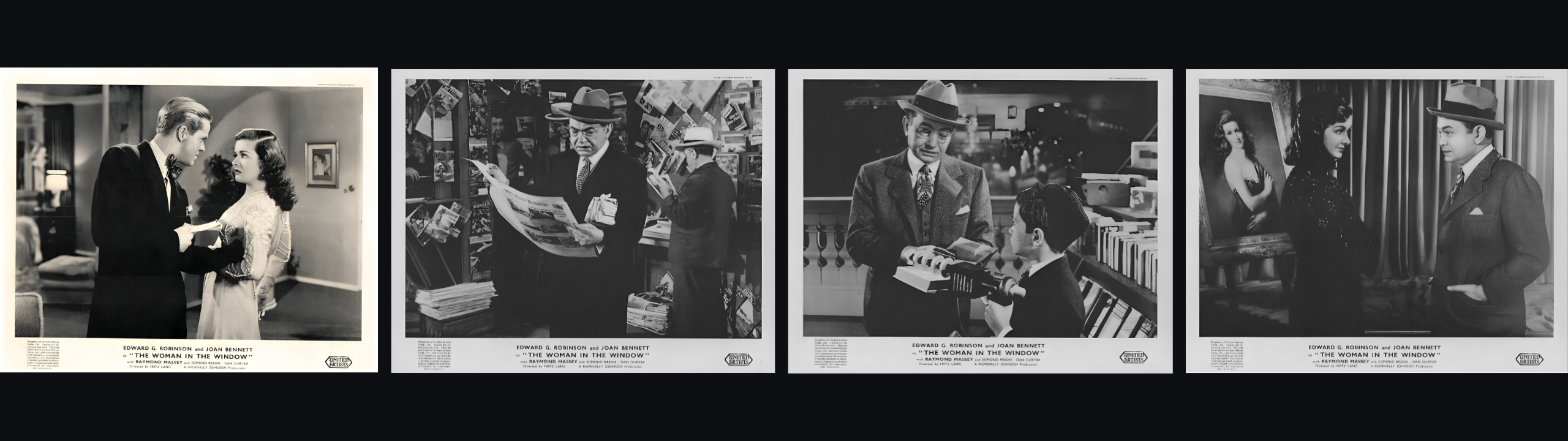
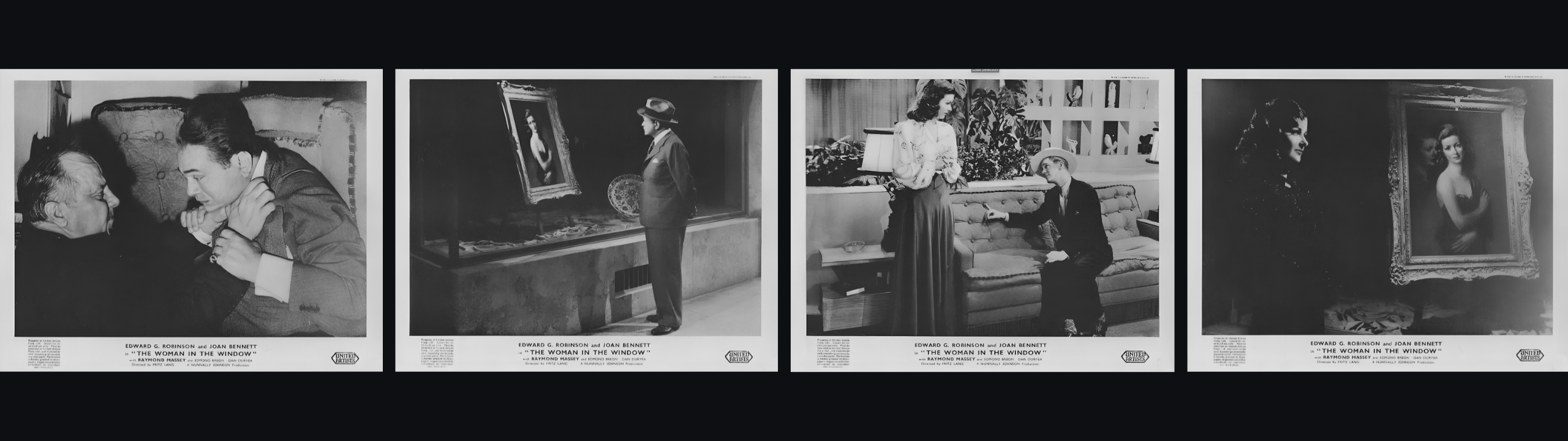
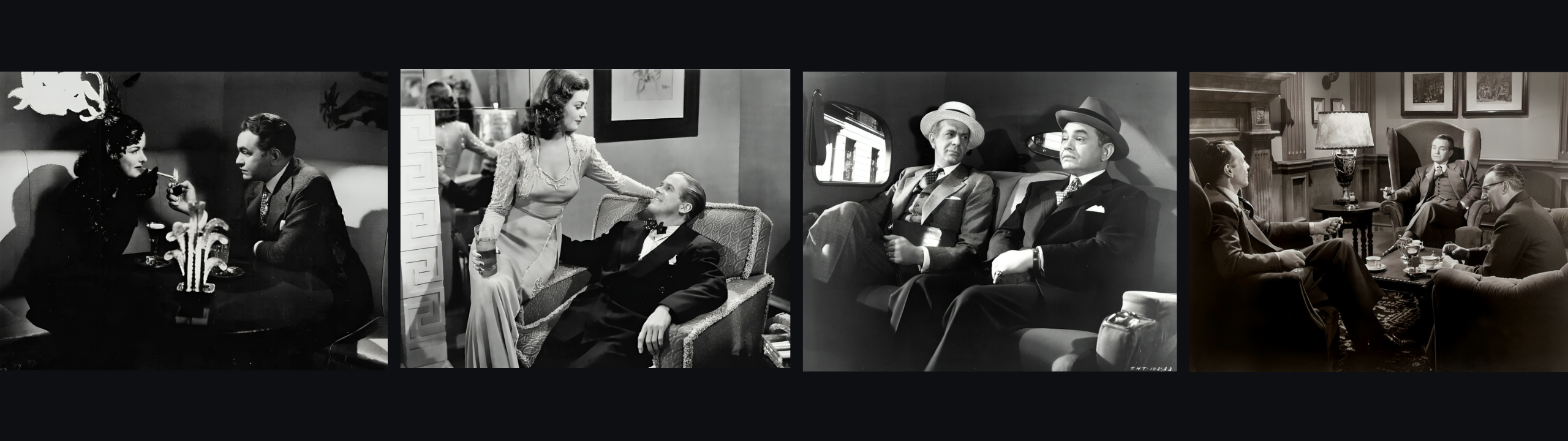
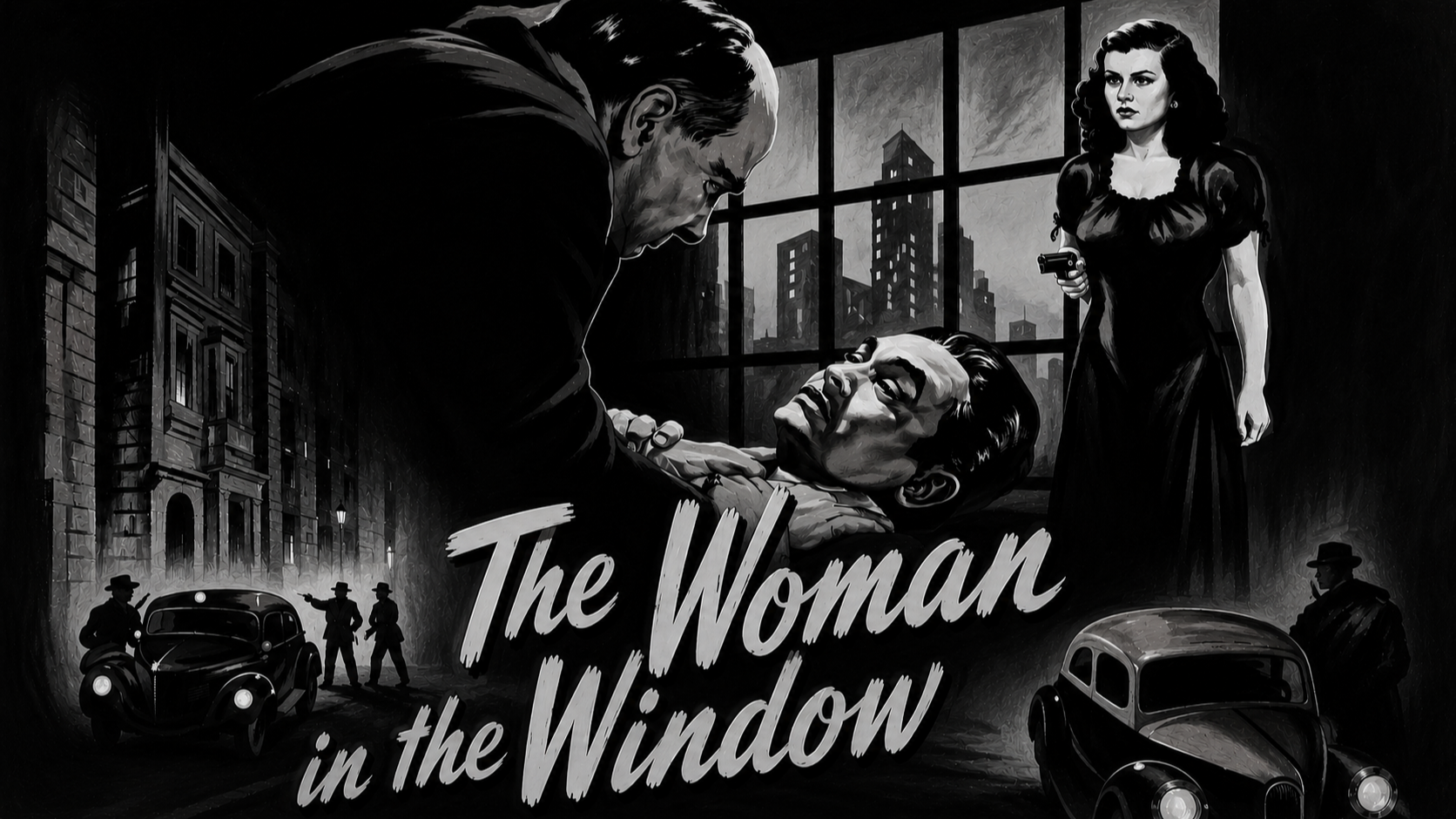
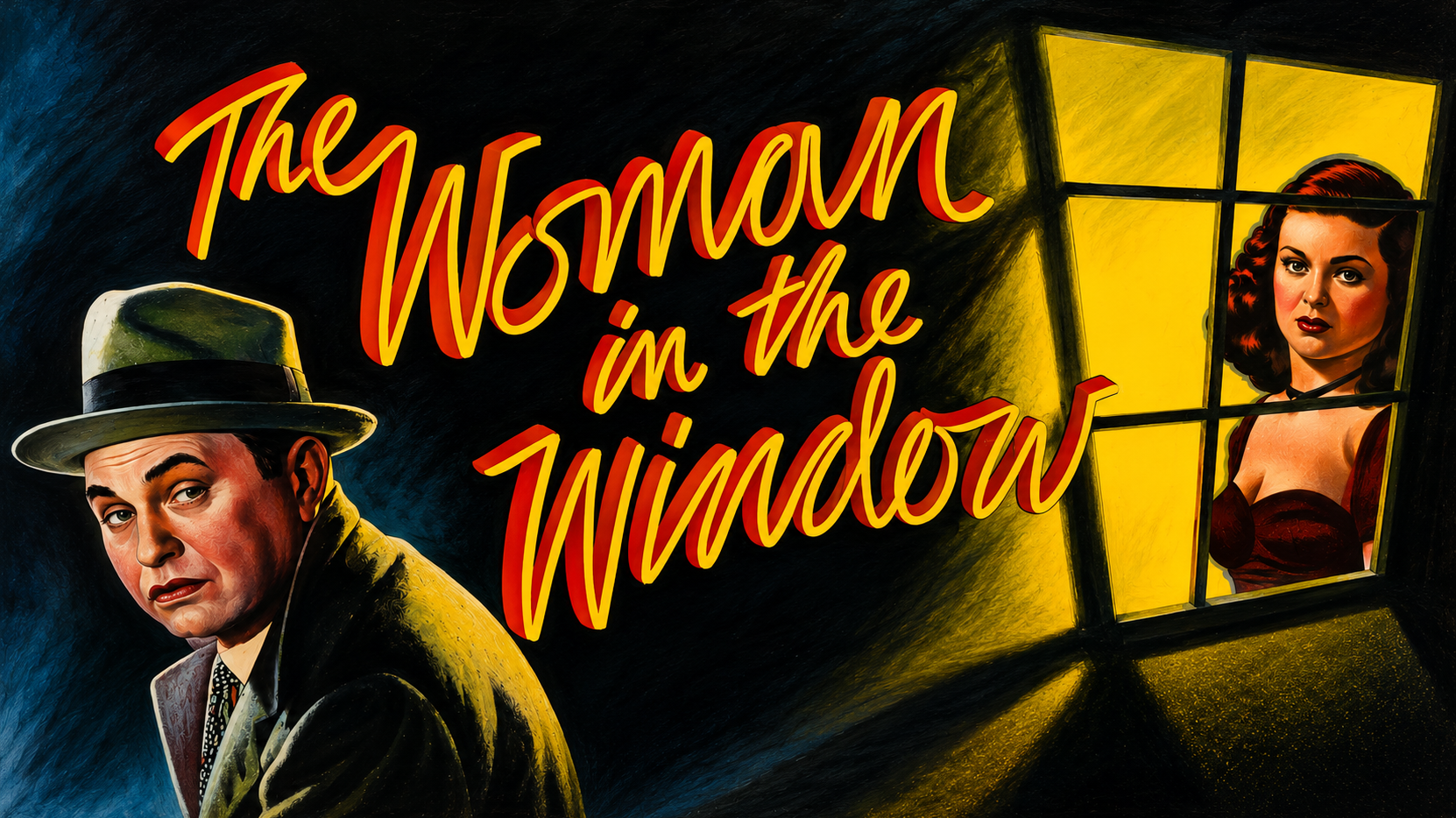
SYNOPSIS: The Woman in the Window is a 1944 American film noir psychological thriller directed by Fritz Lang and starring Edward G. Robinson, Joan Bennett, and Raymond Massey. Based on the novel Once Off Guard by J.H. Wallis, the film follows Richard Wanley, a respected psychology professor whose quiet and predictable life is unexpectedly disrupted after he becomes fascinated by a portrait of a beautiful woman displayed in an art gallery window. When he unexpectedly meets the woman, Alice Reed, curiosity leads him into an evening that quickly spirals into violence, deception, and mounting paranoia.
After accompanying Alice to her apartment, Richard is confronted by her wealthy lover, Claude Mazard. A violent struggle ensues, forcing Richard to kill the man in self-defense. Fearing that no one will believe his version of events, he and Alice conceal the crime, disposing of the body and attempting to erase any evidence linking them to the murder. As the police investigation intensifies, Richard finds himself trapped between his respectable public image and the growing fear that his carefully constructed life is about to collapse.
Widely regarded as one of the defining examples of classic film noir, The Woman in the Window explores themes of temptation, guilt, morality, and psychological obsession. Director Fritz Lang masterfully builds suspense through atmospheric lighting, shadow-filled cinematography, and a steadily escalating sense of dread. Edward G. Robinson delivers one of his finest dramatic performances, portraying an ordinary man whose single impulsive decision leads him into an increasingly desperate nightmare. The film remains celebrated for its elegant direction, memorable performances, and its enduring influence on the psychological thriller genre.
PLOT Spoiler Alert: The Woman in the Window (1944) follows Professor Richard Wanley, a respected criminologist whose quiet, predictable life takes an unexpected turn after he meets Alice Reed, the woman depicted in a portrait he has admired in a gallery window. While visiting Alice at her apartment, the pair are confronted by her jealous lover, Claude Mazard. During the ensuing struggle, Richard kills Mazard in self-defense. Fearful that the circumstances will be misunderstood, Richard and Alice decide to conceal the crime rather than report it to the authorities.
The two dispose of the body and attempt to erase any evidence connecting them to the murder. However, as the police investigation gains momentum, Richard becomes consumed by anxiety and guilt. To make matters worse, the investigation is led by District Attorney Frank Lalor, one of Richard's closest friends, who unknowingly discusses the case with him. Richard's extensive knowledge of criminal psychology only heightens his awareness of the mistakes that could expose him.
The situation becomes even more dangerous when Heidt, Mazard's ruthless bodyguard, begins blackmailing Alice after discovering the truth. Desperate to prevent the scandal from destroying his family, career, and reputation, Richard agrees to help eliminate the threat. As the pressure mounts, he finds himself trapped in a web of deception, convinced that his arrest is inevitable. The constant fear of exposure gradually pushes him toward despair, and he ultimately sees suicide as his only escape.
Just as Richard prepares to end his life, he suddenly awakens in his chair at the gentlemen's club, revealing that the entire series of events had been an extraordinarily vivid nightmare. Moments later, he encounters the real woman from the portrait but politely declines her invitation to accompany her, choosing instead to walk away. The film closes with Richard returning to his ordinary life, forever mindful of how a single impulsive decision—even imagined—could have destroyed everything he valued.
PRODUCTION: Production on The Woman in the Window began in 1944 at International Pictures under the direction of Fritz Lang. The screenplay was written by Nunnally Johnson and adapted from J.H. Wallis's novel Once Off Guard. The film reunited Lang with Edward G. Robinson, Joan Bennett, and Dan Duryea, following their successful collaboration on The Woman in the Window, establishing one of the most memorable creative partnerships of the classic film noir era.
Edward G. Robinson was cast against type as the mild-mannered Professor Richard Wanley, allowing audiences to see him portray an ordinary man rather than the gangsters for which he had become famous. Joan Bennett brought elegance and mystery to the role of Alice Reed, while Dan Duryea delivered another memorable performance as the sinister blackmailer Heidt. Fritz Lang carefully balanced suspense with psychological drama, emphasizing the emotional consequences of Richard's decisions rather than relying on action alone.
Principal photography took place primarily on studio sets designed to emphasize the dark visual style that would become synonymous with film noir. Cinematographer Milton R. Krasner used dramatic lighting, deep shadows, and carefully composed interiors to heighten the atmosphere of anxiety and uncertainty. Editing by Gene Markey maintained a steady pace that gradually increased the film's tension, while Arthur Lange's musical score subtly reinforced the story's growing sense of unease. The production was completed on schedule and became one of Lang's most acclaimed American films.
RELEASE: The Woman in the Window was released in the United States on November 3, 1944. Critics praised Fritz Lang's sophisticated direction, the intelligent screenplay, and Edward G. Robinson's restrained dramatic performance. Many reviewers admired the film's ability to create suspense through psychological conflict rather than excessive violence, while its stylish visual presentation further enhanced its critical reputation.
The film performed well at the box office and strengthened the successful collaboration between Fritz Lang, Edward G. Robinson, and Joan Bennett. Although the dream ending divided some critics and audiences upon release, many appreciated its unexpected conclusion and its exploration of guilt, morality, and human temptation.
In the decades following its release, The Woman in the Window has become recognized as one of the finest examples of classic American film noir. Film historians frequently cite its atmospheric cinematography, intelligent script, and psychological complexity as defining characteristics of the genre. It is often paired with Lang's 1945 film Scarlet Street, which reunited the same principal cast in another acclaimed noir production.
Today, The Woman in the Window remains one of Fritz Lang's most respected Hollywood films. Its combination of suspense, moral ambiguity, and elegant visual storytelling continues to captivate audiences, ensuring its place among the enduring classics of 1940s cinema.
CAST:
Edward G. Robinson as Professor Richard Wanley
Joan Bennett as Alice Reed
Raymond Massey as District Attorney Frank Lalor
Dan Duryea as Heidt
Edmund Breon as Dr. Michael Barkstane
Thomas E. Jackson as Inspector Frank Girard
Dorothy Peterson as Mrs. Wanley
Arthur Loft as Claude Mazard
CREW:
Director: Fritz Lang
Producer: Nunnally Johnson
Screenplay: Nunnally Johnson
Based on the novel: Once Off Guard by J.H. Wallis
Cinematographer: Milton R. Krasner
Editor: Gene Markey
Music: Arthur Lange
Production Company: International Pictures
Distributor: RKO Radio Pictures
Release Date: November 3, 1944
Country of Origin: United States
Running Time: 99 minutes
Budget: Approximately $1 million
Box Office Return: Successful (exact figures unavailable)
IMDb Rating = 7.6 / 10
TRIVIA:
Edward G. Robinson was best known for playing gangsters, making his role as the quiet Professor Richard Wanley a refreshing change of pace.
The film reunited director Fritz Lang with Joan Bennett and Dan Duryea, a partnership that continued with the classic noir Scarlet Street the following year.
Author J.H. Wallis's novel Once Off Guard served as the basis for the screenplay, although several changes were made for the film adaptation.
The famous dream ending was added largely to satisfy Hollywood's Production Code, which discouraged films from allowing criminals to escape punishment.
Fritz Lang considered the film one of his strongest American productions because of its emphasis on psychological tension over physical action.
The film's shadow-heavy cinematography helped establish many of the visual conventions later associated with classic film noir.
Edward G. Robinson's portrayal of an ordinary man trapped by circumstance has been widely praised as one of the finest performances of his career.
The Woman in the Window was both a critical and commercial success and played an important role in popularizing psychological crime thrillers during the 1940s.
The film is frequently studied for its exploration of guilt, temptation, and the consequences of seemingly harmless decisions.
Today, The Woman in the Window is regarded as one of the essential classics of American film noir and remains highly influential among filmmakers and film historians.
The painting of Alice Reed was done by Paul Clemens. He painted portraits of many Hollywood stars, often with their children. He was married to Eleanor Parker from 1954 to 1965.
Former "Our Gang" members George 'Spanky' McFarland and Robert Blake (Mickey Gubitosi) both have cameo appearances. They did not have any scenes together. Spanky (who was 16) plays a bespectacled Boy Scout on a newsreel who discovers Mazard's corpse, while Blake appears early on in the picture as Professor Wanley's little boy Dickie, departing from the train station with his mother and sister, Elsie.
Edward G. Robinson, Dan Duryea, and Joan Bennett perform as the three leads in Fritz Lang's subsequent film, Scarlet Street (1945).
The film derives from the 1942 novel "Once Off Guard" by J.H. Wallis.
Lux Radio Theater broadcast a 60-minute radio adaptation of the film on June 25, 1945, with Joan Bennett, Dan Duryea, and Edward G. Robinson reprising their film roles.
OUR MOVIE REVIEWERS SAY...

"A gripping and stylish film noir that keeps audiences guessing until the very end. The moody atmosphere, strong performances, and clever storytelling make it a timeless suspense classic that still holds up today."

"The Woman in the Window delivers an intriguing mystery with solid performances and effective cinematography. While some plot developments may feel dated by modern standards, it remains an interesting example of classic 1940s noir filmmaking."

"Despite its promising premise, the film's slow pacing and overly convenient conclusion lessen its impact. Although visually impressive, the story may leave some viewers wanting a more satisfying and believable resolution."