

Podcast
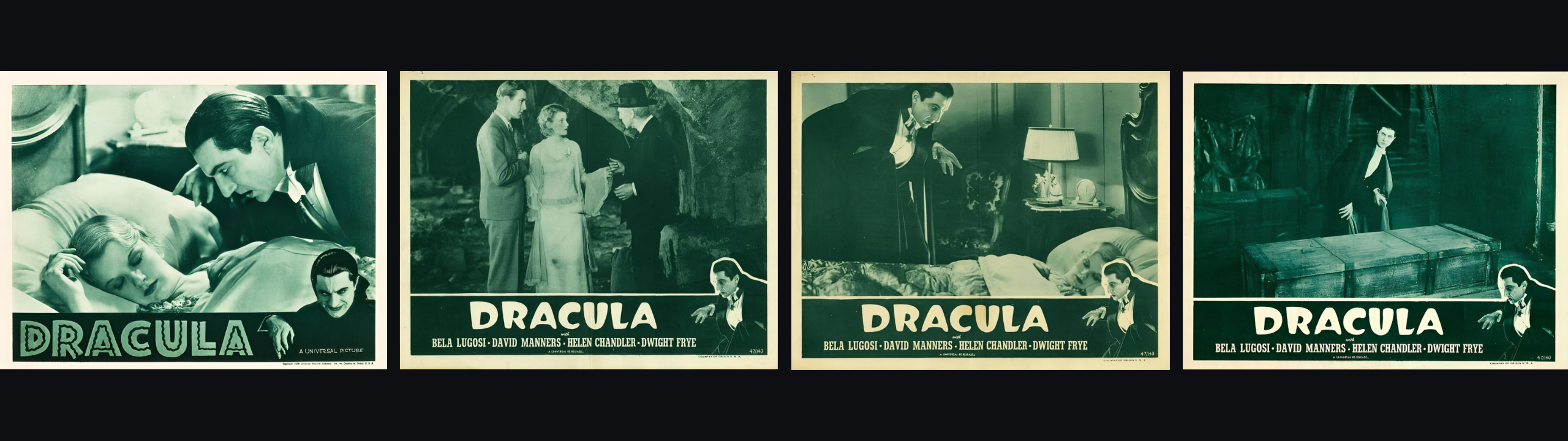
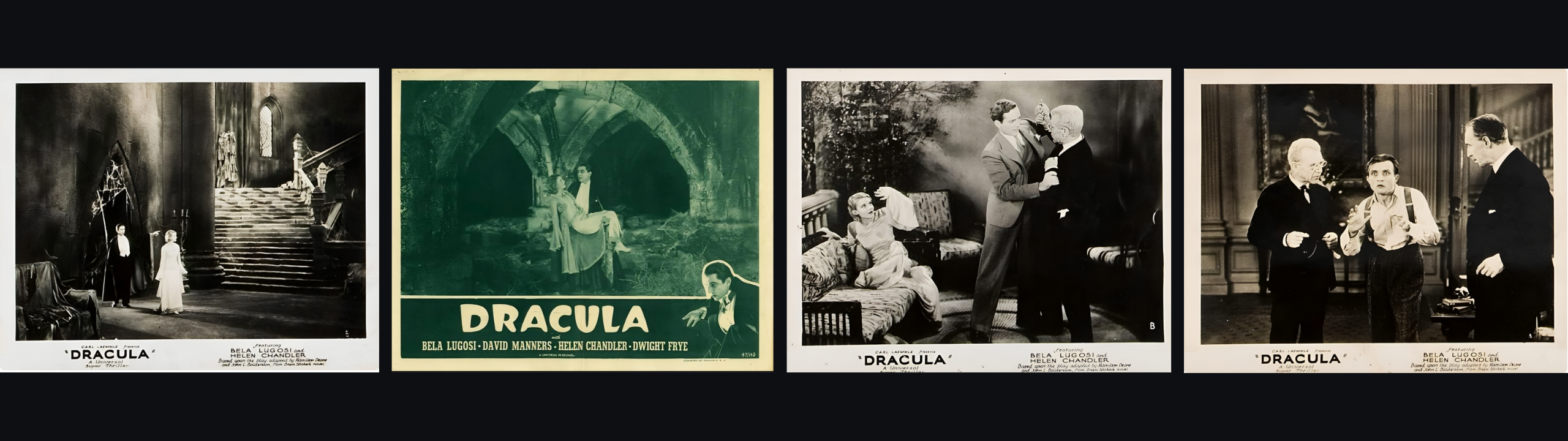
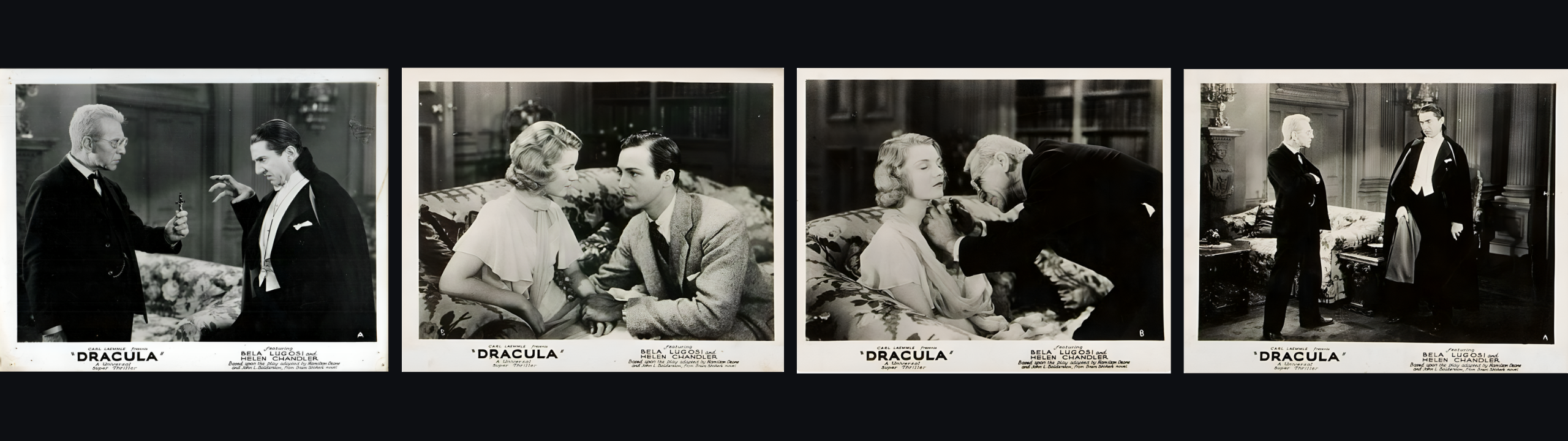
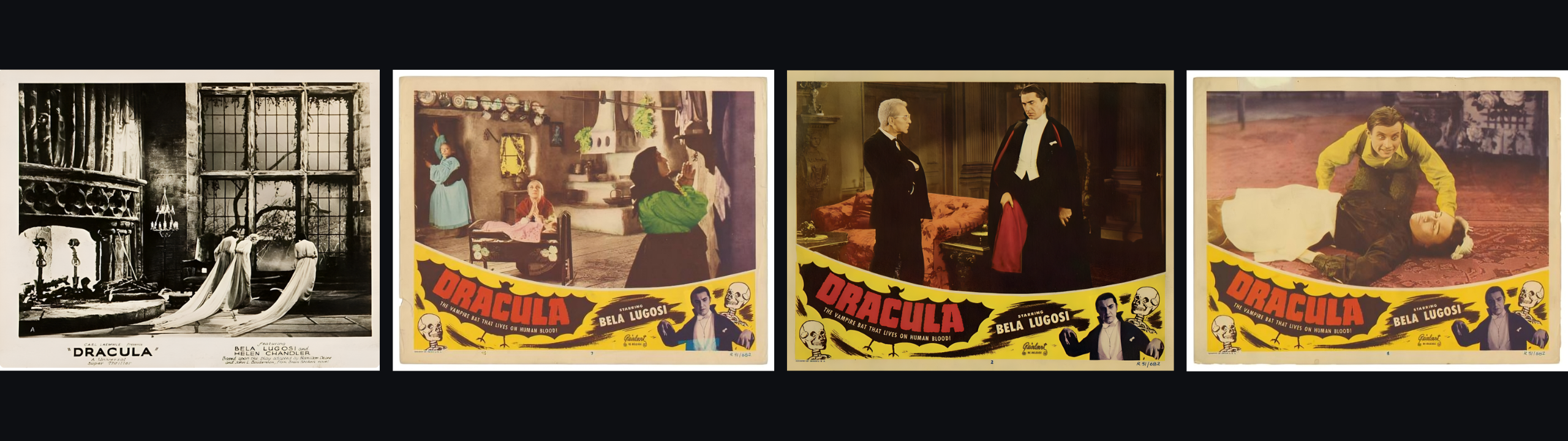
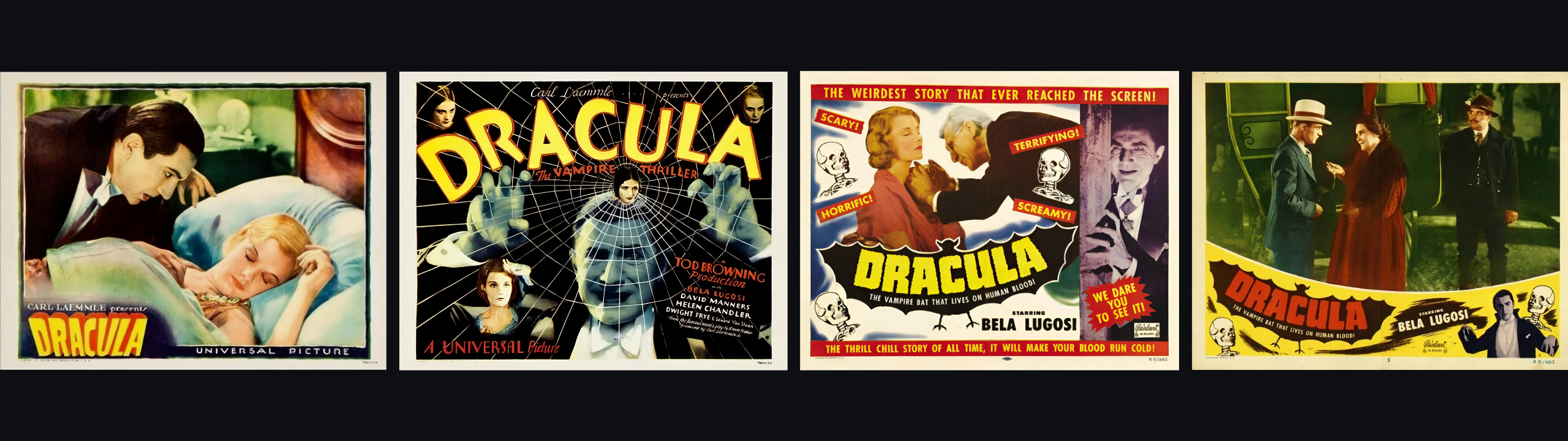
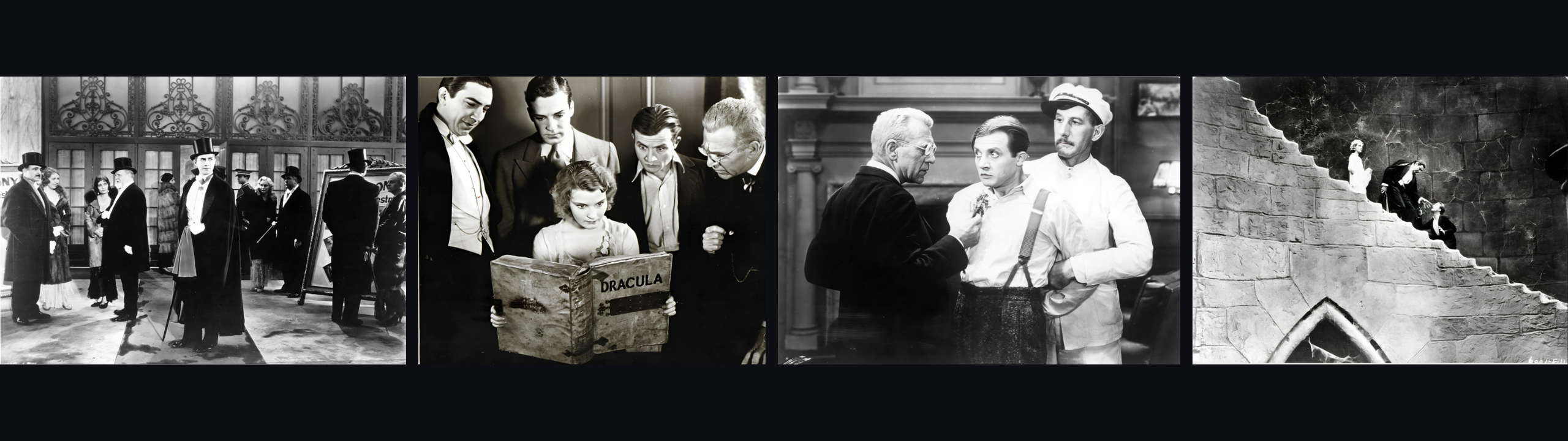
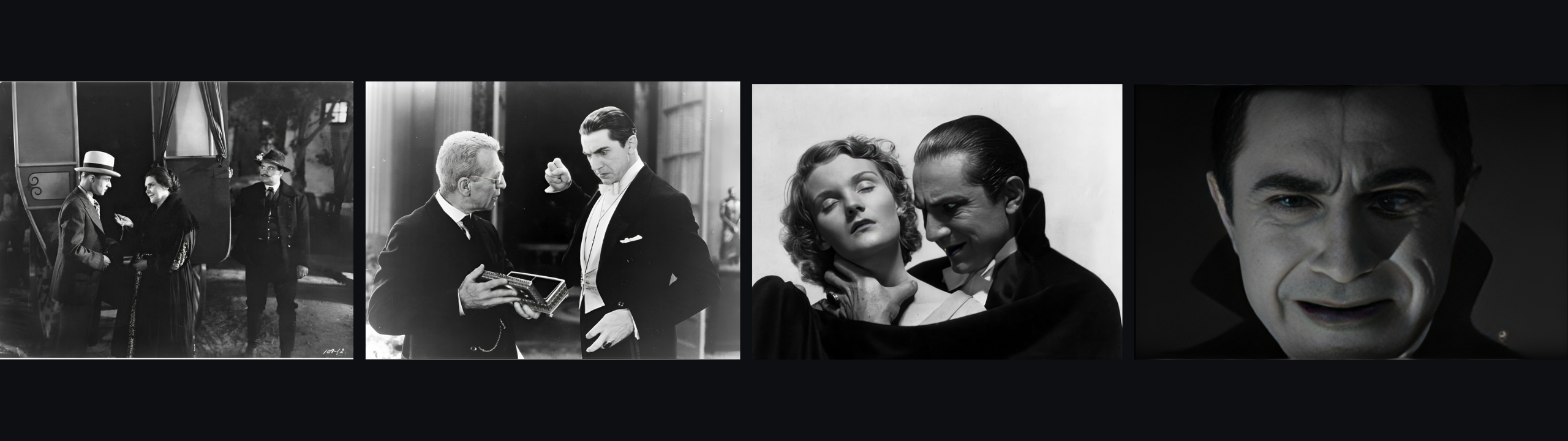
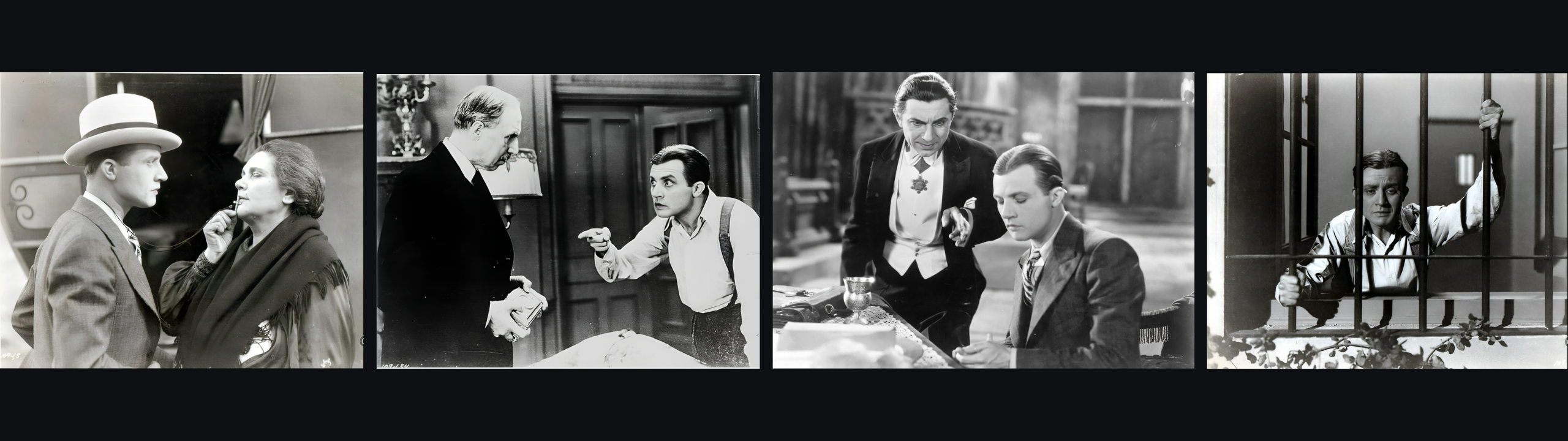
SYNOPSIS
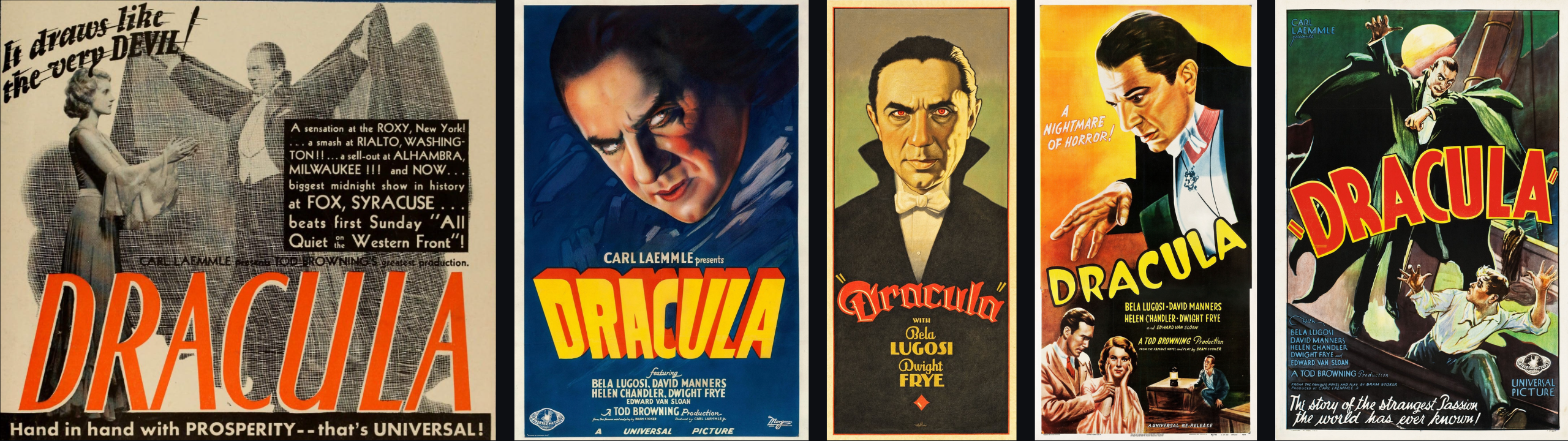
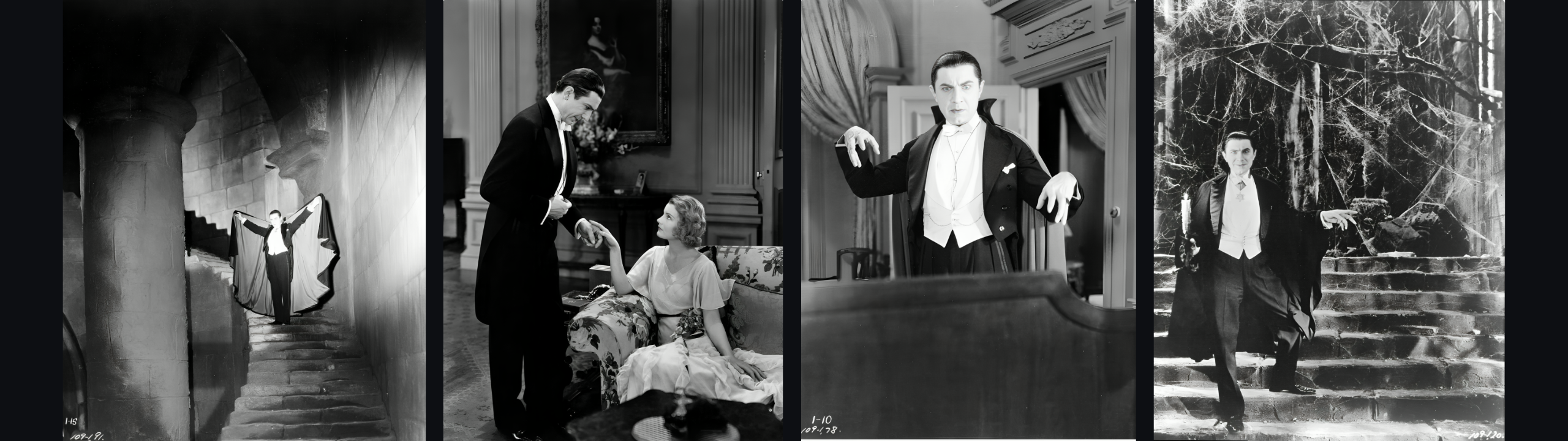
Dracula is an American pre-Code Gothic horror film directed by Tod Browning and starring Bela Lugosi in the role that became synonymous with the legendary vampire. Produced by Universal Pictures, the film is based on Bram Stoker’s 1897 novel, drawing substantially on the successful stage adaptation by Hamilton Deane and John L. Balderston.
The story follows Count Dracula, an ancient Transylvanian vampire who travels to England and begins preying upon the living. With its eerie atmosphere, memorable performances, and Lugosi’s hypnotic portrayal of the Count, the film helped establish Universal Pictures as a leading producer of horror cinema.
PLOT (Spoiler Alert)
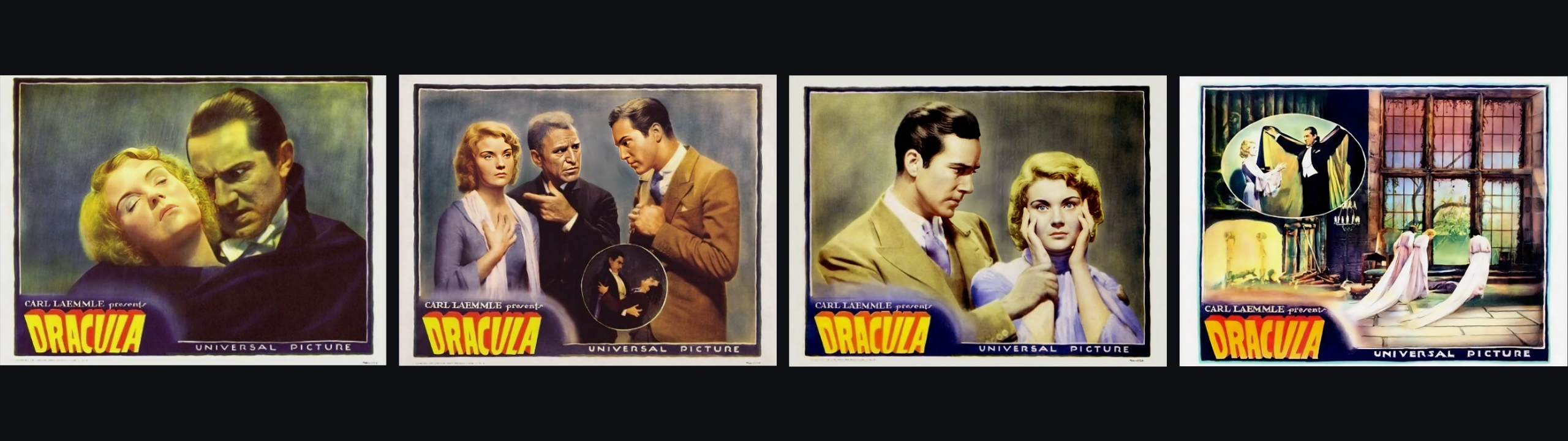
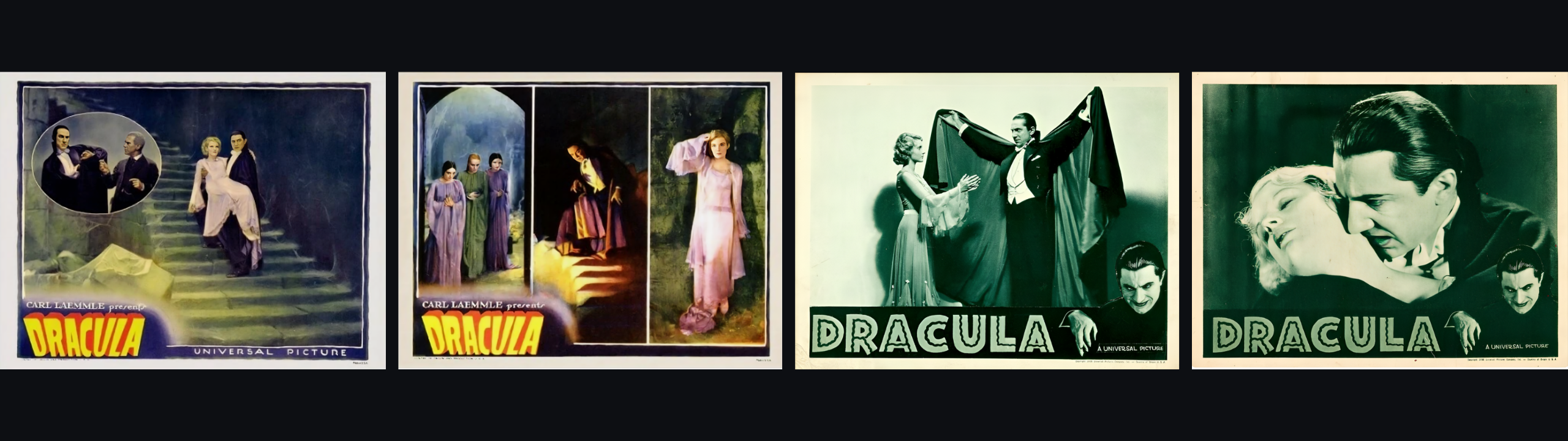
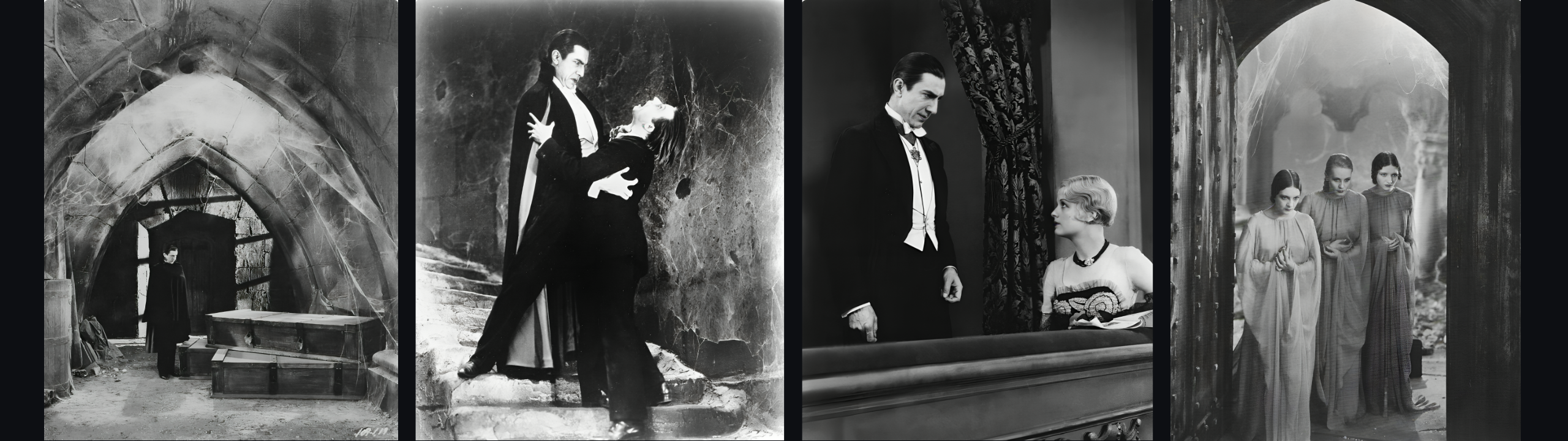
English real estate agent Renfield travels to Transylvania to arrange a London property lease for Count Dracula. At the Count’s castle, Renfield discovers his host’s terrifying nature and becomes his enslaved, increasingly unhinged servant. The two journey to England aboard a ship, where Dracula survives by hiding in his coffin while the crew mysteriously dies. Upon reaching shore, Renfield is confined to Dr. Seward’s asylum, while Dracula establishes himself at nearby Carfax Abbey.
Dracula meets Dr. Seward’s daughter Mina, her fiancé John Harker, and their friend Lucy Weston. He attacks Lucy, who dies and becomes one of the undead. Dracula then turns his attention to Mina, whose deteriorating condition attracts the attention of Professor Van Helsing, a specialist in the supernatural. Van Helsing recognizes Dracula as a vampire and attempts to protect Mina from his influence.
As Dracula continues to prey upon his victims, Van Helsing and Harker pursue him to Carfax Abbey. Renfield attempts to warn them but is killed by Dracula. Van Helsing confronts the Count and destroys him by driving a stake through his heart. With Dracula defeated, Mina is freed from his control, and she and Harker leave together.
PRODUCTION
The film was directed by Tod Browning and produced by Carl Laemmle Jr. The screenplay was written by Garrett Fort, adapting the stage version of Stoker’s novel rather than translating the original book directly to the screen. Hamilton Deane and John L. Balderston were instrumental in shaping the stage adaptation that influenced the film.
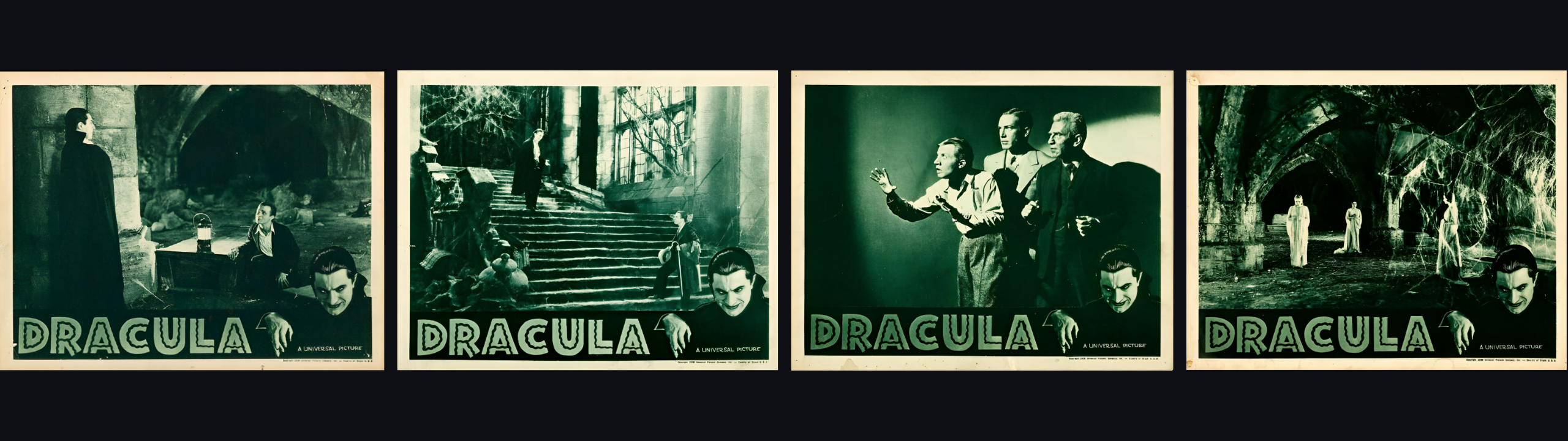
Karl Freund’s cinematography gives the film its shadowy, Gothic atmosphere, while Charles D. Hall designed its imposing sets. Jack Pierce handled makeup. Released during the early sound era, the film retains a theatrical quality, relying heavily on dialogue, striking compositions, and carefully staged performances rather than a continuous musical score.
RELEASE
Dracula premiered in the United States on February 14, 1931, and was distributed by Universal Pictures. Running approximately 75 minutes, the black-and-white production became a major success and helped establish the studio’s celebrated cycle of classic monster films.
The film’s enduring popularity has led to numerous reissues and restorations. In 2000, it was selected for preservation in the United States National Film Registry for its cultural, historical, and aesthetic significance.
CAST
Bela Lugosi as Count Dracula
Helen Chandler as Mina
Dwight Frye as Renfield
David Manners as John Harker
Edward Van Sloan as Professor Abraham Van Helsing
Herbert Bunston as Dr. Jack Seward
Frances Dade as Lucy Weston
Charles K. Gerrard as Martin
Joan Standing as a maid
Moon Carroll as a maid
CREW
Director: Tod Browning
Producer: Carl Laemmle Jr.
Associate Producer: E. M. Asher
Screenplay: Garrett Fort
Based on: Dracula (1897), the novel by Bram Stoker
Stage Adaptation: Hamilton Deane and John L. Balderston
Cinematography: Karl Freund
Film Editing: Milton Carruth
Supervising Film Editor: Maurice Pivar
Art Direction: Charles D. Hall
Sound Supervision: C. Roy Hunter
Makeup: Jack Pierce
Production Company and Distributor: Universal Pictures
IMDb RATING
7.3/10 (IMDb rating at the time of research; ratings may change).
TRIVIA
Bela Lugosi had played Dracula on stage. His successful theatrical portrayal helped secure his place in the film’s title role.
Lon Chaney was originally associated with the role. He was expected to play Dracula but died in 1930, before production began.
The film was influenced by the stage play. Its structure and dialogue reflect the theatrical adaptation by Hamilton Deane and John L. Balderston.
A Spanish-language version was filmed at the same time. Directed by George Melford, it used the same sets after the English-language cast and crew had finished for the day.
The Spanish version is a separate production. It starred Carlos Villarías as Dracula and is often compared with Browning’s English-language film.
The film uses very little incidental music. Tchaikovsky’s Swan Lake is heard during the opening credits, while much of the film relies on silence and atmospheric sound.
Lugosi’s performance became iconic. His measured delivery, intense gaze, and distinctive accent helped shape the popular image of Dracula.
The famous line “I never drink… wine” became one of the film’s most recognizable quotations.
Dwight Frye’s Renfield is a landmark horror performance. His nervous mannerisms and increasingly frantic behavior make the character one of the film’s most memorable figures.
The film helped launch Universal’s horror legacy. Its success was followed by productions such as Frankenstein (1931) and The Mummy (1932).
Dracula became one of cinema’s celebrated villains. The American Film Institute has included the character on its list of great screen villains.
The film entered the National Film Registry in 2000, recognizing its lasting cultural and historical importance.
OUR MOVIE REVIEWERS SAY...

"Dracula is a haunting masterpiece of Gothic horror, elevated by Bela Lugosi's unforgettable performance as the legendary vampire. Its shadowy cinematography, eerie atmosphere, and sinister elegance create a chilling experience that helped define the horror genre for generations."

"Dracula relies more on atmosphere and theatrical performances than on graphic horror, but its slow, deliberate pacing gives the story an unsettling quality. Bela Lugosi dominates the screen, while the film's shadowy sets and supernatural mystery make it an essential chapter in the history of horror cinema."

"Despite Bela Lugosi's commanding presence, Dracula often feels more stage-bound than cinematic. The dialogue is stiff, the pacing drags, and several scenes lack the suspense their subject demands. Its iconic villain remains memorable, but the film itself is less frightening than its reputation suggests."