
PODCAST
1931 Dr. Jekyll and Mr. Hyde In Depth Review
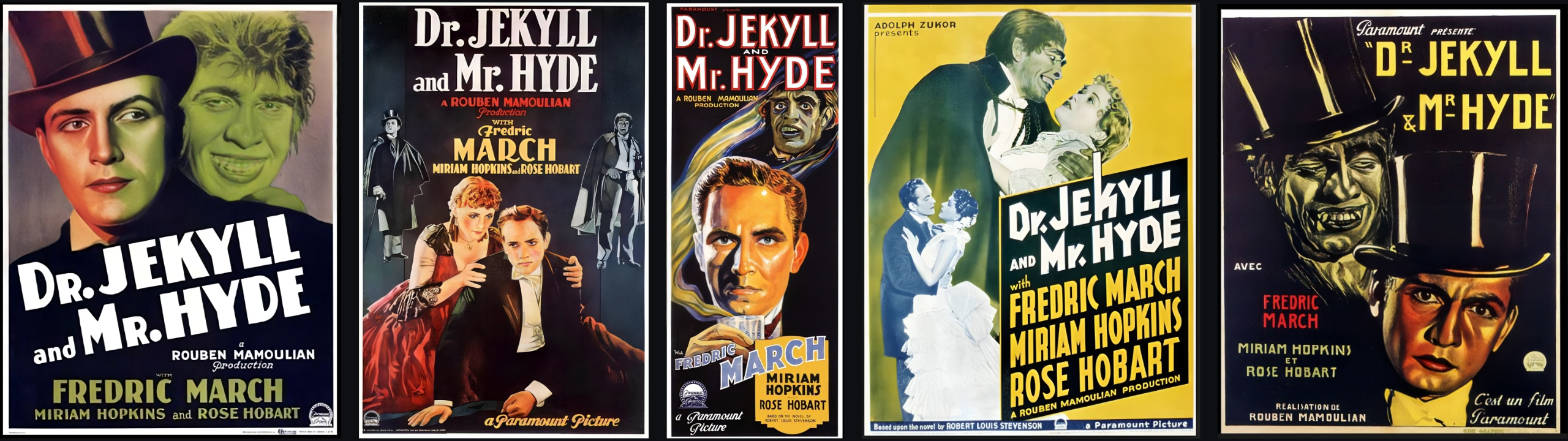
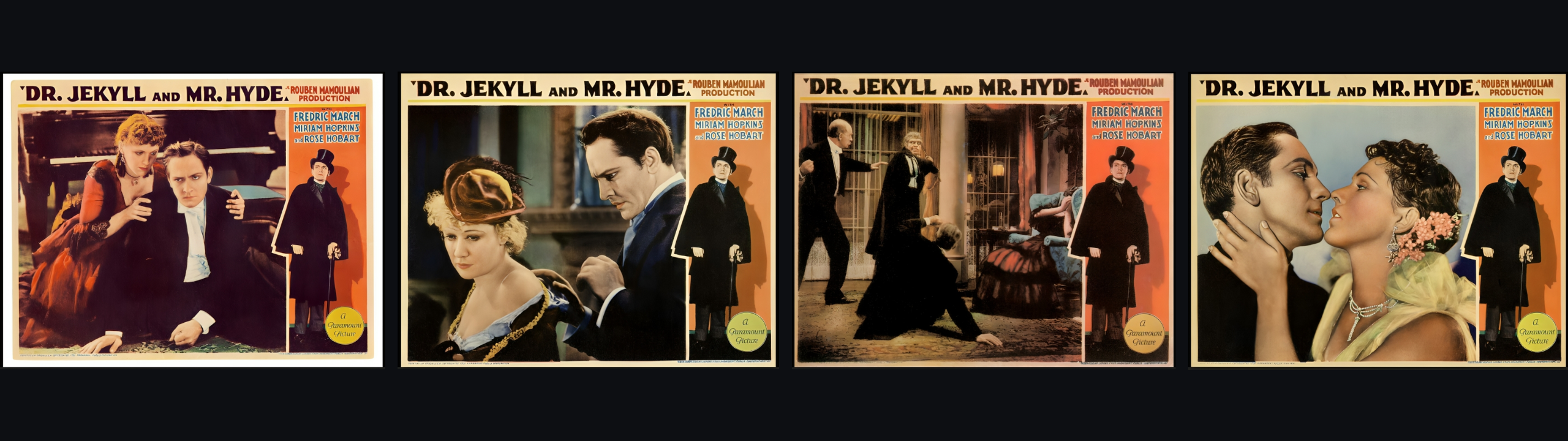
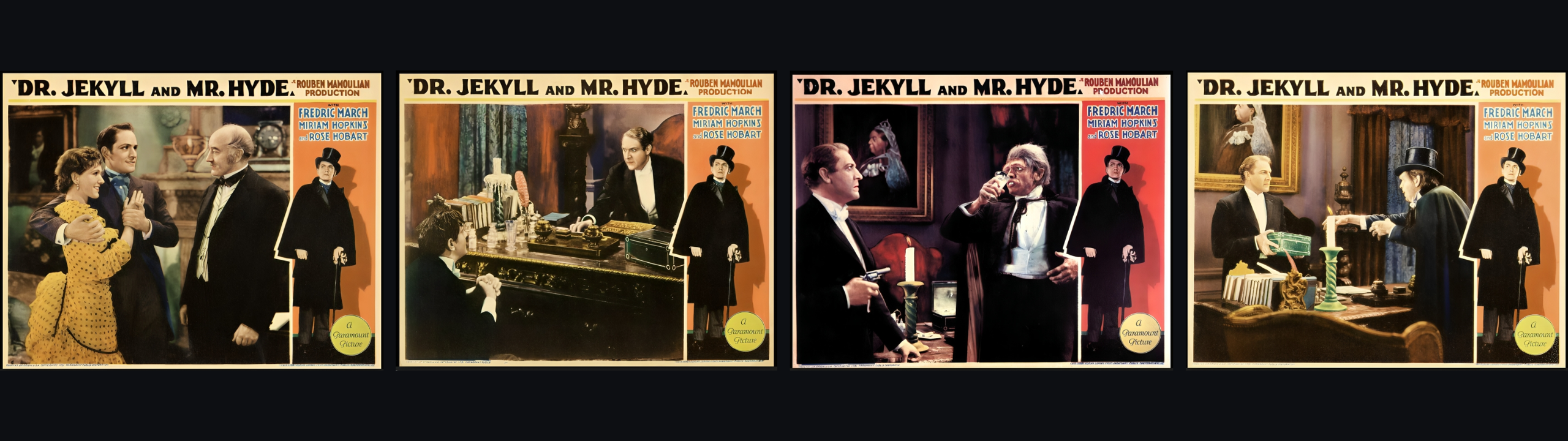
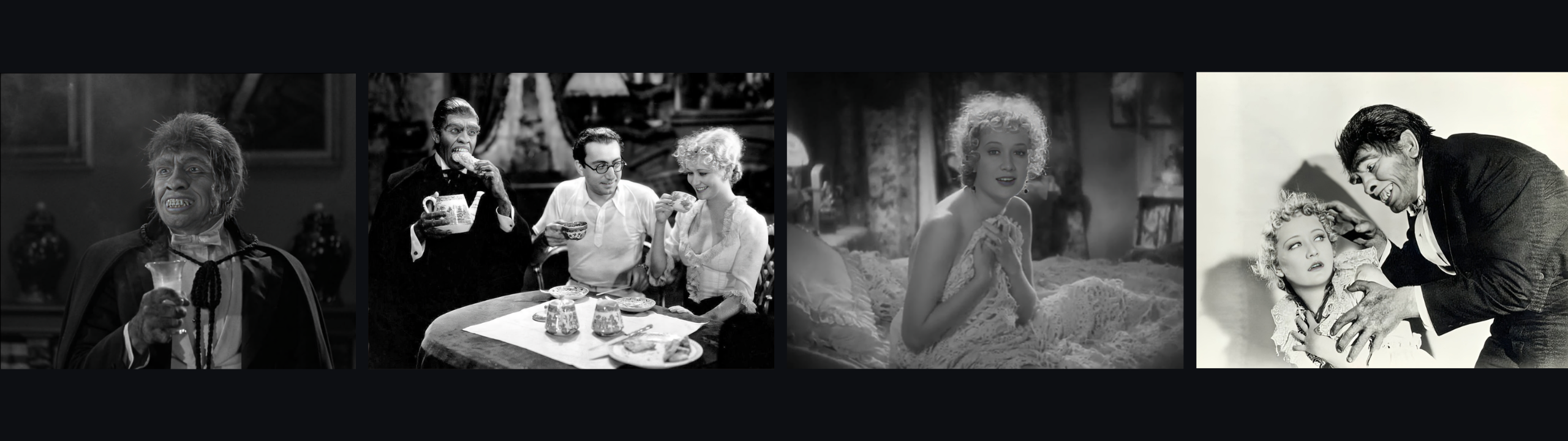
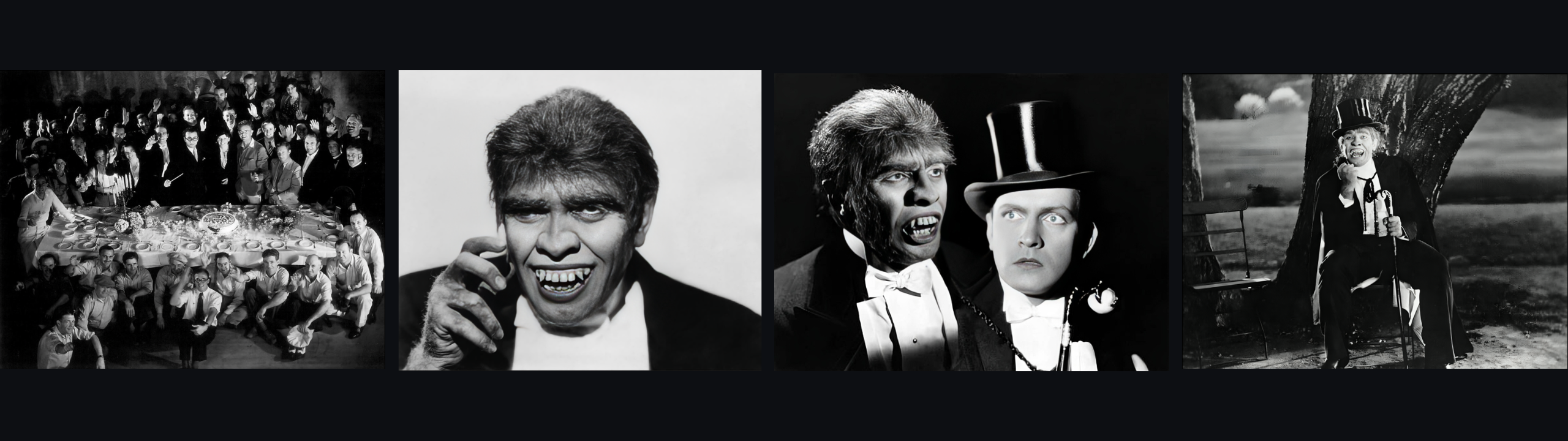


Dr. Jekyll and Mr. Hyde (1931) is an American pre-Code horror film directed by Rouben Mamoulian and based on Robert Louis Stevenson's 1886 novella The Strange Case of Dr. Jekyll and Mr. Hyde. The film stars Fredric March in the dual role of Dr. Henry Jekyll and Mr. Hyde, with Miriam Hopkins as Ivy Pearson and Rose Hobart as Muriel Carew. Produced and distributed by Paramount Pictures, it was one of the earliest major sound adaptations of Stevenson's story.
Dr. Jekyll is a respected London physician who believes that every person contains both good and evil impulses. Seeking to separate these opposing sides of human nature, he develops a chemical formula that transforms him into Edward Hyde, a physically and morally degraded alter ego who is free to indulge his darkest desires. At first Jekyll believes he can control the transformation, but Hyde gradually becomes more powerful.
The film is noted for Fredric March's highly acclaimed performance, Karl Struss's cinematography, and Mamoulian's innovative visual techniques. Its frank treatment of sexuality and violence was possible because it was made before the enforcement of the Production Code, while its expressionistic imagery and transformation sequences helped establish it as one of the most influential early American horror films.
PLOT (Spoiler Alert)
Dr. Henry Jekyll is a respected London physician who devotes himself to treating the poor while studying the conflicting impulses within human nature. He believes that every individual contains both good and evil and becomes convinced that science can separate the two sides. Meanwhile, Jekyll is engaged to Muriel Carew, the daughter of Brigadier-General Sir Danvers Carew, but her father insists that their marriage be delayed.
Jekyll develops a chemical formula and tests it upon himself, transforming into the brutal and animalistic Mr. Hyde. Under this new identity, he visits Ivy Pearson, a music-hall performer whom he previously rescued from an assault. Hyde becomes increasingly obsessed with Ivy, manipulating and abusing her while Jekyll struggles to maintain control. Eventually Jekyll sends Ivy money anonymously, but when she discovers his identity, she begs him to protect her from Hyde.
Jekyll promises that Hyde will never return, but the transformation eventually begins occurring without the need for the potion. Hyde kills Ivy and becomes increasingly uncontrollable. Jekyll attempts to break his dependence on the formula and asks his friend Dr. Lanyon for help, but Hyde ultimately returns to Jekyll's laboratory and attacks him. Surrounded by the evidence of his crimes, Jekyll realizes that he can no longer escape his darker identity. When the authorities arrive, Jekyll transforms into Hyde once more and is shot and killed, leaving his body to revert to that of Dr. Jekyll.
PRODUCTION
Dr. Jekyll and Mr. Hyde was directed by Rouben Mamoulian for Paramount Publix, with Adolph Zukor credited as producer. Samuel Hoffenstein and Percy Heath wrote the screenplay, adapting Stevenson's novella. Karl Struss served as cinematographer, while William Shea handled editing. The production reportedly constructed 35 historically accurate sets for the film's 216 scenes.
Mamoulian emphasized subjective camerawork and expressionistic imagery to place the audience inside Jekyll's psychological experience. The famous transformation sequences were achieved through carefully controlled colored filters and specially colored makeup rather than conventional optical effects; the precise technique was kept secret for decades.
RELEASE
The film premiered in Los Angeles on December 24, 1931, followed by a New York premiere on December 31. Paramount gave it a wider release in January 1932. Although officially associated with 1931, contemporary release records therefore contain both 1931 and 1932 dates.
The film was a major commercial and critical success and established Fredric March as a leading dramatic actor. At the 5th Academy Awards, March won the Academy Award for Best Actor, while the film also received nominations for Cinematography and Writing (Adaptation). It was subsequently subjected to censorship for reissues because of its sexual content, particularly after enforcement of the Production Code became stricter.
CAST
Fredric March as Dr. Henry Jekyll / Mr. Hyde
Miriam Hopkins as Ivy Pearson
Rose Hobart as Muriel Carew
Holmes Herbert as Dr. Lanyon
Halliwell Hobbes as Brigadier-General Sir Danvers Carew
Edgar Norton as Poole
Tempe Pigott as Mrs. Hawkins
Arnold Lucy as Utterson
Eric Wilton as Briggs
Douglas Walton as a Student
John Rogers as a Music Hall Waiter
Murdock McQuarrie as a Dissenting Doctor
CREW
Director: Rouben Mamoulian
Producer: Adolph Zukor
Screenplay: Samuel Hoffenstein, Percy Heath
Based on: The Strange Case of Dr. Jekyll and Mr. Hyde by Robert Louis Stevenson
Cinematography: Karl Struss
Editing: William Shea
Production Company: Paramount Publix Corporation
Distributor: Paramount Publix Corporation
Sound: M. M. Paggi
Second Camera: George Clemens, Harry Hallenberger
Assistant Camera: Charles Leahy, Fleet Southcott
IMDb Rating
7.6/10 — based on approximately 18,000 user ratings.
TRIVIA
The film is based on Robert Louis Stevenson's 1886 novella The Strange Case of Dr. Jekyll and Mr. Hyde.
Fredric March won the Academy Award for Best Actor for his performance as Jekyll and Hyde.
It was one of the earliest major sound-film adaptations of Stevenson's story.
The film was made during the pre-Code era, allowing considerably more sexual material and violence than later Hollywood productions.
The famous Jekyll-to-Hyde transformations were accomplished using colored makeup and filters placed in front of the camera lens.
Director Rouben Mamoulian did not reveal the precise method behind the transformation effects until decades after the film was made.
Approximately 35 period-accurate sets were constructed for the production.
Mamoulian reportedly insisted on Fredric March for the lead despite studio reservations about casting him in such a demanding role.
The film received three Academy Award nominations, winning one for March's performance.
MGM later acquired the rights to the film when it produced its own Dr. Jekyll and Mr. Hyde starring Spencer Tracy in 1941.
The film's frank depiction of sexuality contributed to censorship problems when it was reissued after the Production Code became more strictly enforced.
Fredric March's performance helped establish him as a major dramatic actor and was the first of his two Academy Award-winning performances.

OUR MOVIE REVIEWERS SAY...

"Dr. Jekyll and Mr. Hyde is a remarkably bold horror film, anchored by Fredric March's extraordinary transformation from refined doctor to monstrous alter ego. Its atmosphere, visual style, and psychological intensity make it one of the most powerful horror films of its era."

"Dr. Jekyll and Mr. Hyde is less interested in simple horror than in exploring the darker impulses hidden beneath respectable society. Fredric March gives the film considerable force, although its melodrama can occasionally feel heavy-handed. Still, its central idea remains compelling."

"For all its technical accomplishments, Dr. Jekyll and Mr. Hyde often substitutes theatrical melodrama for genuine terror. Fredric March is impressive, but the exaggerated performances and moralizing story can make the film feel more sensational than frightening."