

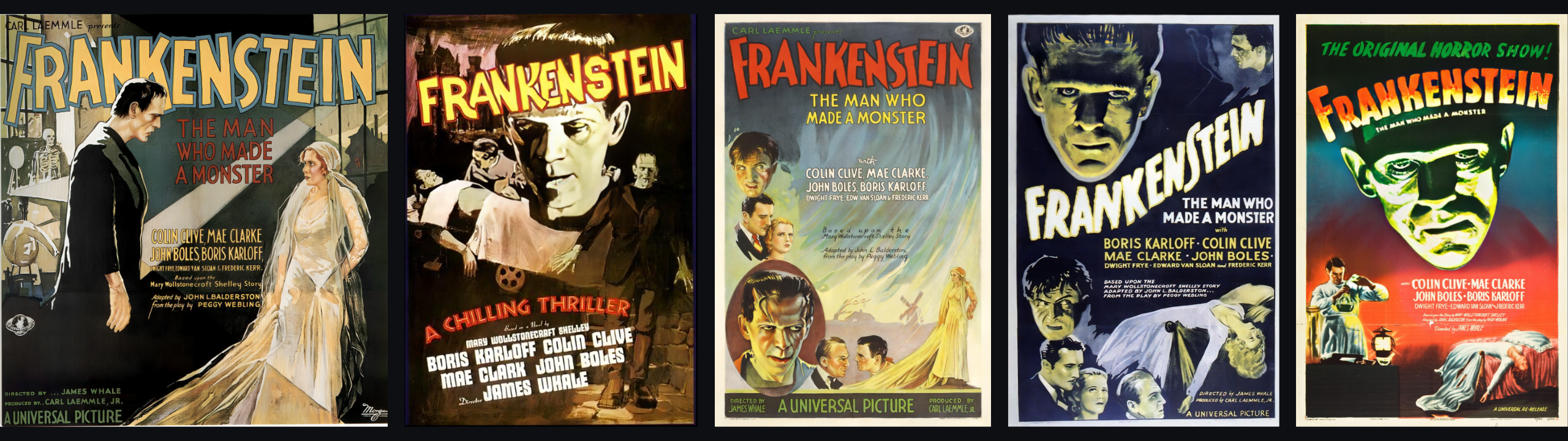
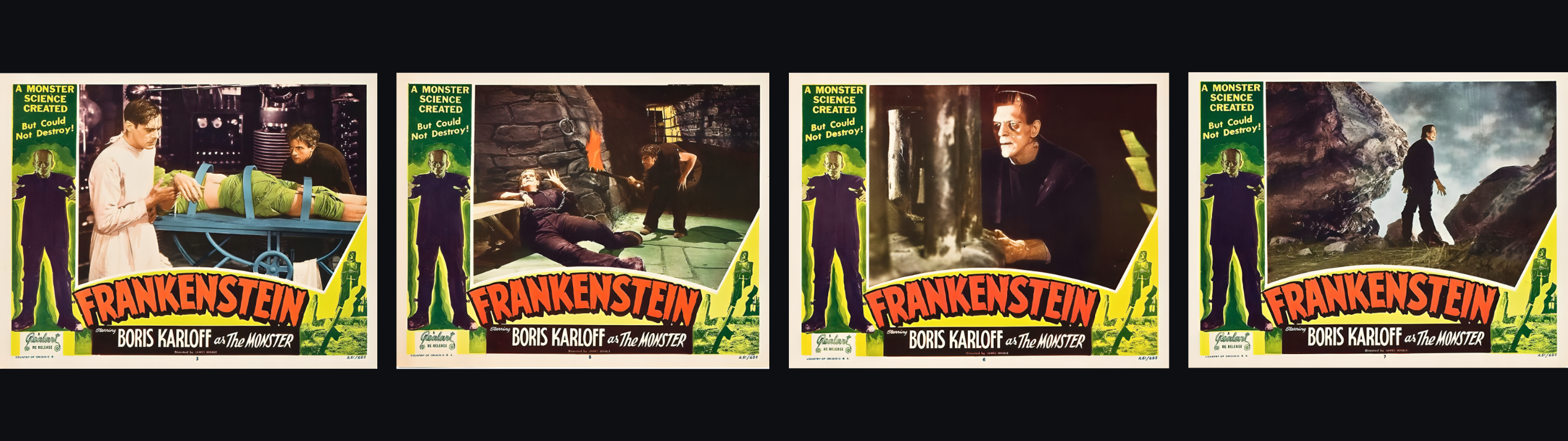
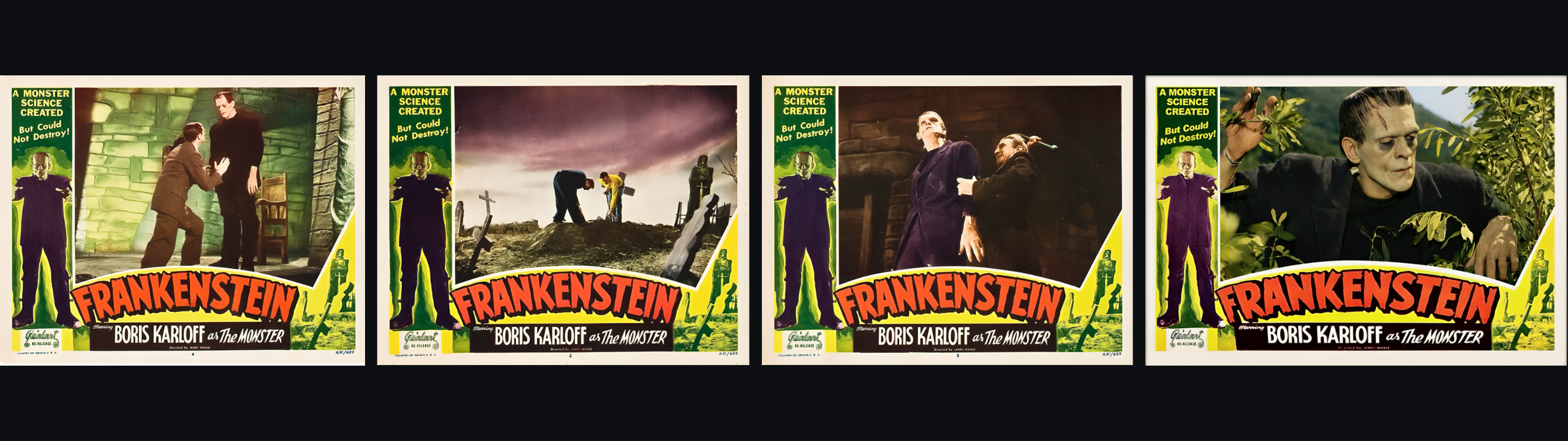
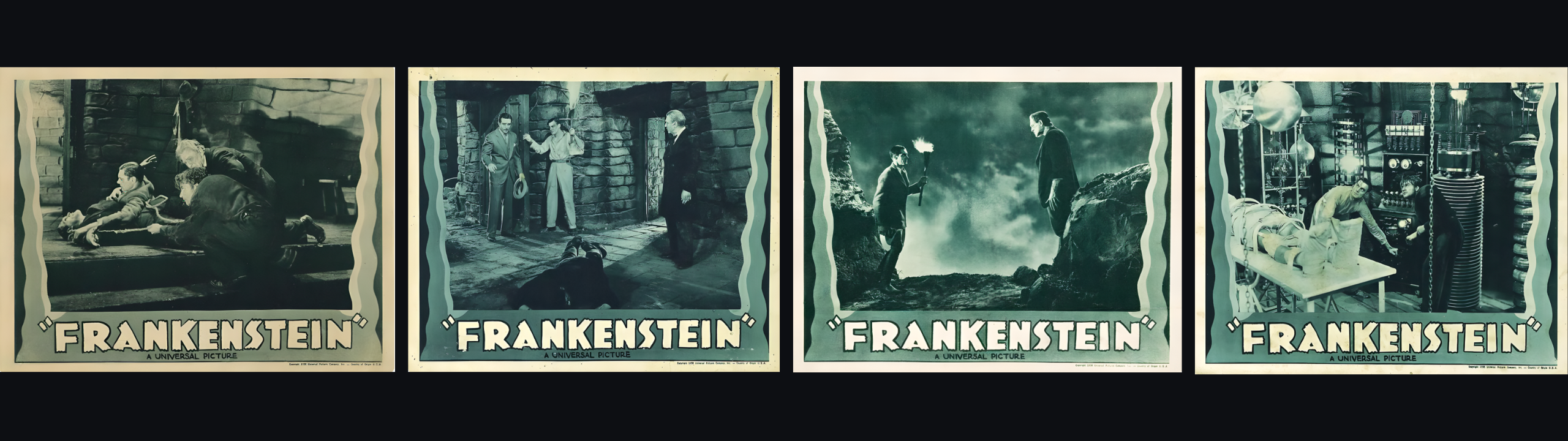
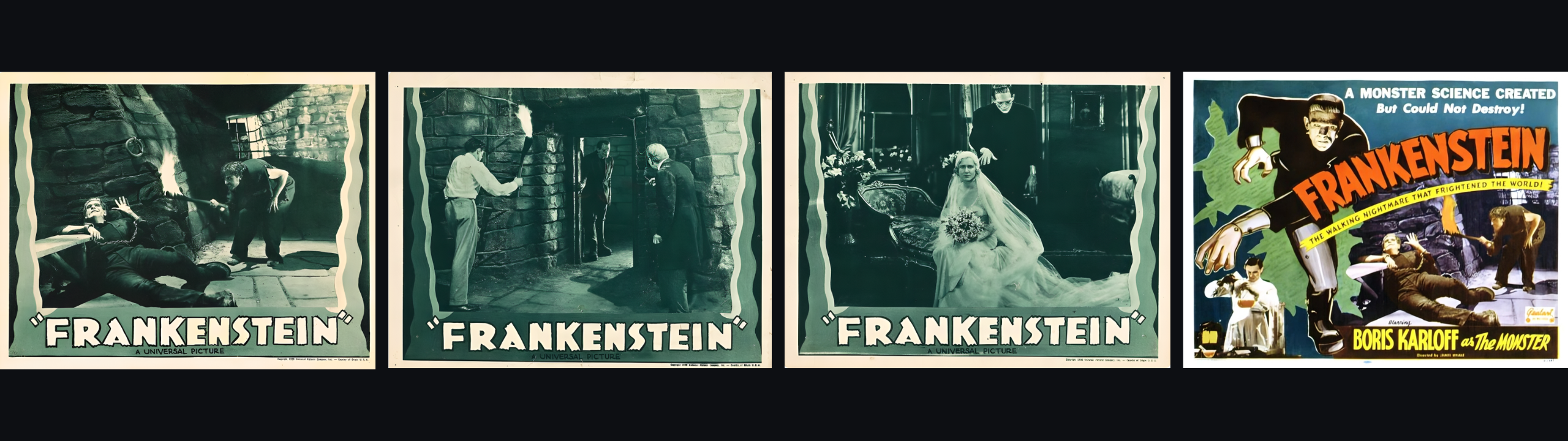
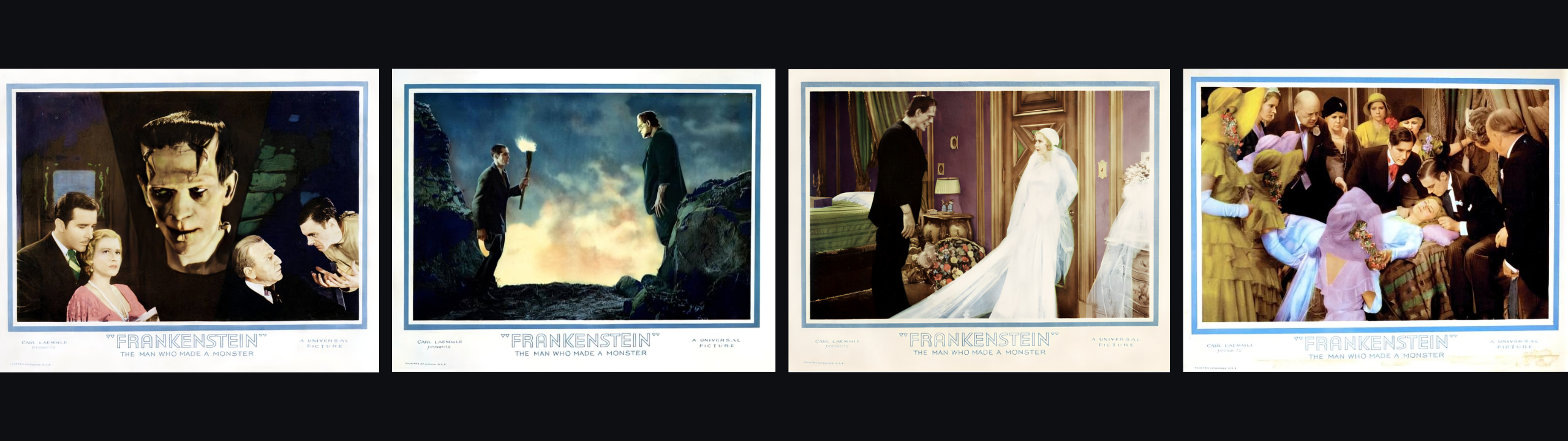
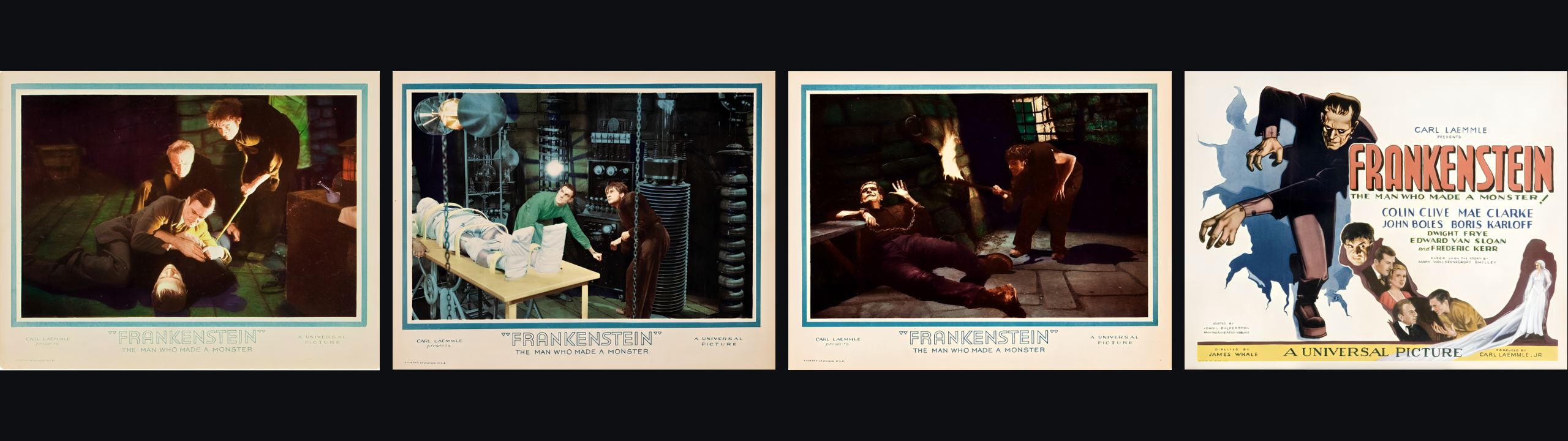
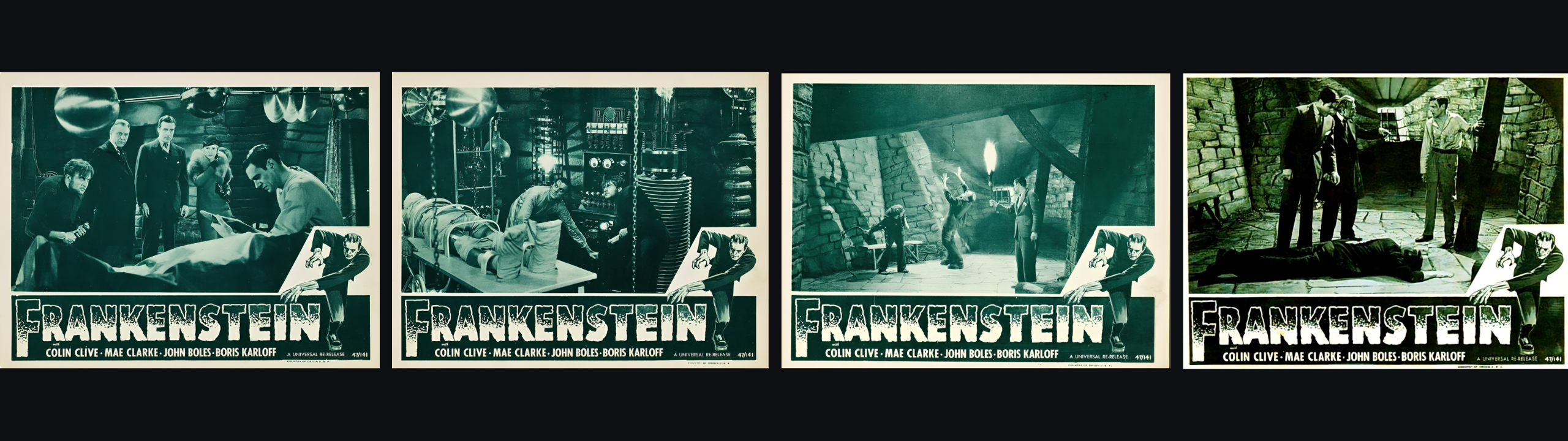
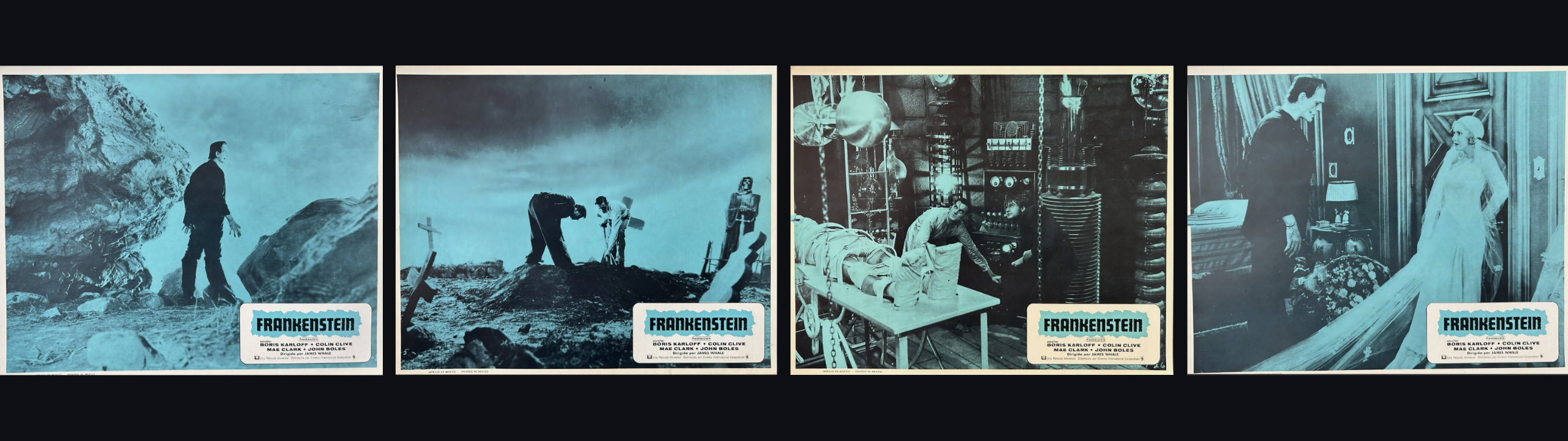
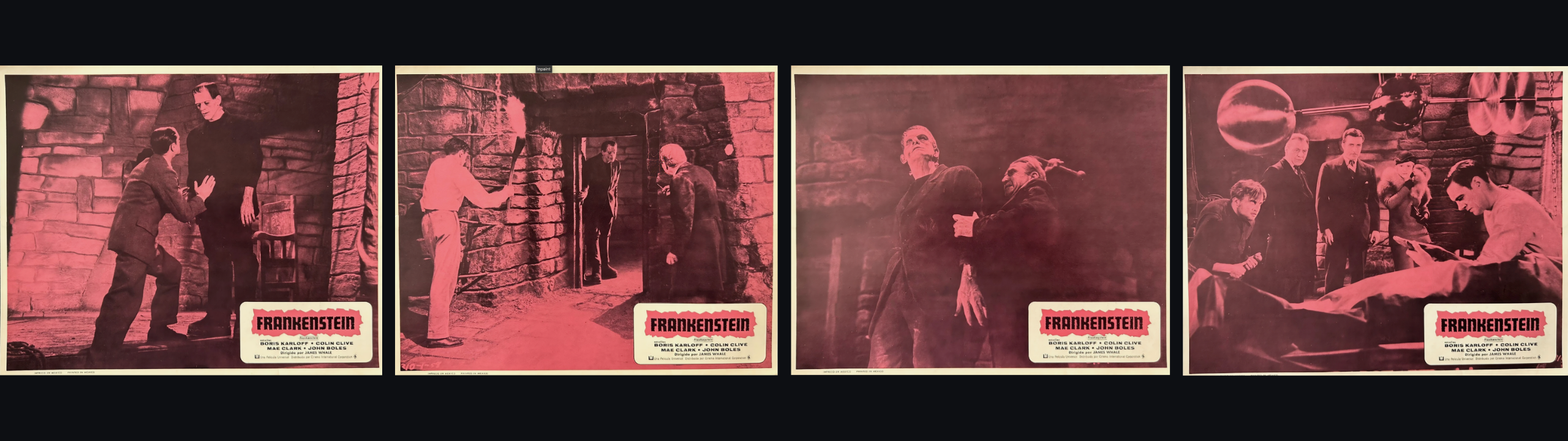
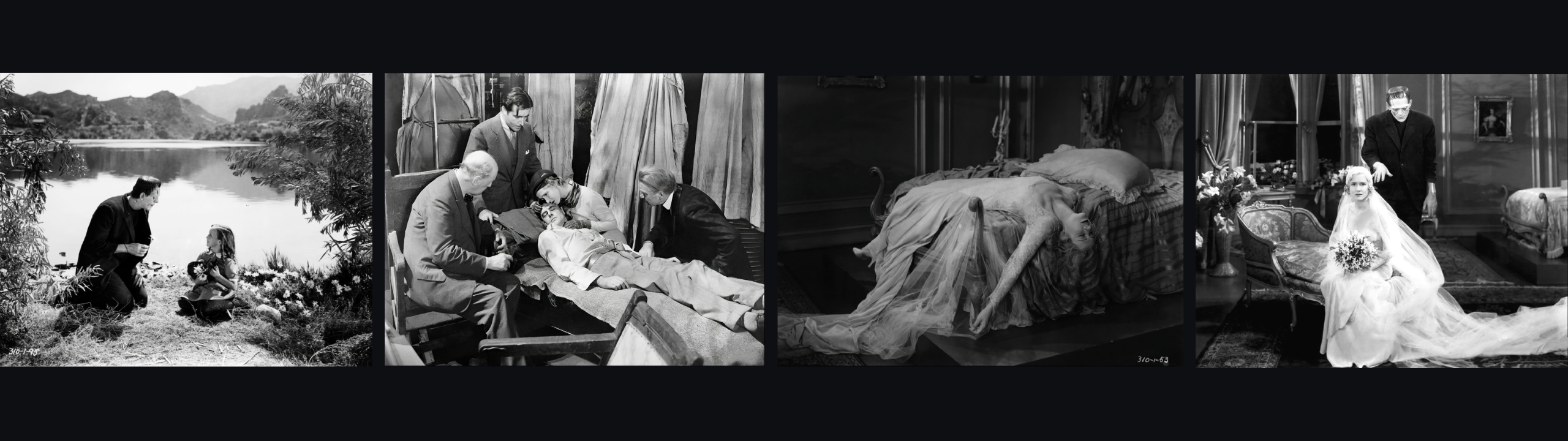
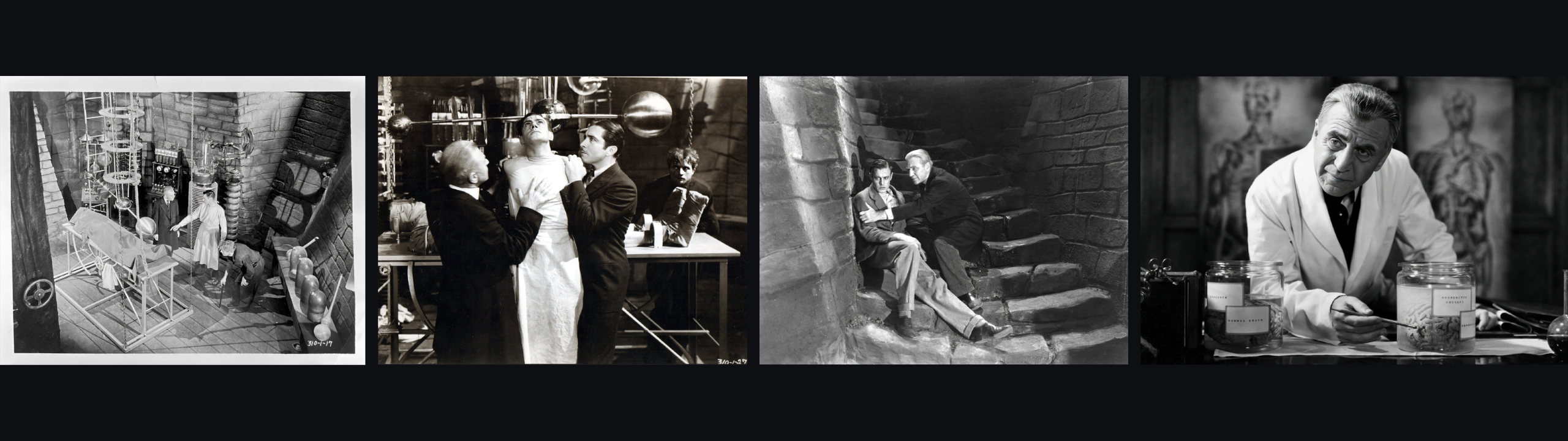
SYNOPSIS
Frankenstein (1931) is an American pre-Code science-fiction horror film directed by James Whale and produced by Carl Laemmle Jr. for Universal Pictures. Based on Mary Shelley's 1818 novel Frankenstein; or, The Modern Prometheus, the film stars Colin Clive as Henry Frankenstein, Boris Karloff as the Monster, Mae Clarke as Elizabeth, and John Boles as Victor Moritz. It became one of the most influential horror films in cinema history and established Karloff's Monster as an enduring cultural icon.
Dr. Henry Frankenstein becomes obsessed with creating life from dead human tissue. With the assistance of his hunchbacked servant Fritz, he assembles a body from stolen corpses and uses electricity to bring it to life. However, the creature's brain comes from a criminal, and its confused, childlike nature is gradually overwhelmed by fear, mistreatment, and violence.
The film explores the dangers of unchecked scientific ambition and the tragic consequences of creating life without understanding its needs. James Whale's atmospheric direction, Colin Clive's intense performance, and Jack Pierce's iconic makeup design helped establish the visual language of cinematic horror.
PLOT (Spoiler Alert)
Dr. Henry Frankenstein and his assistant Fritz steal corpses and body parts to construct a living human being. After Fritz mistakenly obtains a criminal's brain instead of a normal one, Frankenstein proceeds with his experiment in a remote laboratory. Using electrical equipment and a powerful lightning storm, he successfully brings his creation to life, famously exclaiming, "It's alive!" His former professor, Dr. Waldman, warns him of the danger, but Frankenstein remains fascinated by his achievement.
The Monster initially displays curiosity and a desire for companionship, but Fritz torments it with a torch, provoking a violent response. The creature kills Fritz and escapes the laboratory. Wandering through the countryside, it encounters little Maria, a young girl who innocently befriends it and invites it to play by a lake. Misunderstanding the nature of their game, the Monster throws Maria into the water, accidentally drowning her. When the girl's death is discovered, the villagers organize a search for the creature.
The Monster eventually confronts Frankenstein and kidnaps Elizabeth before being pursued by the doctor and an angry mob. The chase leads to an old windmill, where Frankenstein is attacked and thrown from the structure, suffering injuries but surviving. The villagers set the windmill ablaze, trapping the Monster inside as the building collapses. Frankenstein recovers and returns home to Elizabeth, while the creature is presumed dead.
PRODUCTION
Frankenstein was directed by James Whale and produced by Carl Laemmle Jr. The screenplay was written by Garrett Fort and Francis Edward Faragoh, drawing on Mary Shelley's novel and a stage adaptation associated with John L. Balderston and Peggy Webling. Arthur Edeson served as cinematographer, Clarence Kolster edited the film, and Charles D. Hall designed its memorable sets.
Boris Karloff's transformation into the Monster was achieved through the celebrated makeup work of Jack Pierce, whose design included a broad, flattened head, prominent forehead, heavy eyelids, and neck electrodes. Kenneth Strickfaden designed the laboratory's elaborate electrical equipment, while Whale used shadowy sets, striking compositions, and expressionistic lighting to create the film's unsettling atmosphere.
RELEASE
Frankenstein premiered in the United States in November 1931 and was released nationally by Universal Pictures. Its powerful imagery and disturbing subject matter made it a major success, helping establish Universal's cycle of classic monster films and launching one of cinema's most enduring horror franchises.
The film was subsequently reissued and restored, with previously deleted footage recovered in 1986. It remains a landmark of American horror cinema and was selected for preservation in the United States National Film Registry in 1991.
CAST
Colin Clive as Henry Frankenstein
Boris Karloff as the Monster
Mae Clarke as Elizabeth
John Boles as Victor Moritz
Edward Van Sloan as Dr. Waldman
Frederick Kerr as Baron Frankenstein
Dwight Frye as Fritz
Lionel Belmore as the Burgomaster
Marilyn Harris as Little Maria
Michael Mark as Ludwig
Francis Ford as a mourner and villager
CREW
Director: James Whale
Producer: Carl Laemmle Jr.
Screenplay: Garrett Fort, Francis Edward Faragoh
Based on: Frankenstein; or, The Modern Prometheus by Mary Shelley
Stage Adaptation: Peggy Webling; John L. Balderston's adaptation
Cinematography: Arthur Edeson
Editing: Clarence Kolster
Art Direction: Charles D. Hall
Set Decoration: Herman Rosse
Makeup: Jack Pierce
Special Electrical Effects: Kenneth Strickfaden
Production Company: Universal Pictures
Distributor: Universal Pictures
IMDb Rating
7.7/10 — based on approximately 89,000 user ratings at the time of research.
TRIVIA
The film was based on Mary Shelley's novel Frankenstein; or, The Modern Prometheus, first published in 1818.
Boris Karloff was not identified by name in the opening credits; the Monster was initially credited with a question mark.
Jack Pierce's makeup design became the defining visual representation of Frankenstein's Monster for generations of audiences.
The famous laboratory equipment was designed in part by Kenneth Strickfaden, whose electrical apparatus became a staple of later Frankenstein productions.
James Whale originally developed the film after Universal transferred the project from director Robert Florey, who had worked on an earlier version.
Bela Lugosi was initially associated with the project but did not play the Monster in the released film; the role went to Boris Karloff.
The film was made during Hollywood's pre-Code era, before stricter enforcement of the Production Code. Some scenes were subsequently cut or shortened for reissues.
The scene in which the Monster encounters Little Maria became one of the film's most controversial sequences because of its tragic outcome.
Colin Clive's anguished declaration, "It's alive!", became one of the most famous lines in horror-film history.
The film's original release was approximately 70 minutes long, although later editions incorporating recovered footage run slightly longer.
Frankenstein was followed by Bride of Frankenstein (1935), also directed by James Whale and starring Boris Karloff.
The film was selected for preservation in the United States National Film Registry in 1991 because of its cultural, historical, and aesthetic significance.
WHAT OUR MOVIE REVIEWERS SAY...

Frankenstein is a landmark of horror cinema, brought to life by Boris Karloff's unforgettable performance as the Monster. James Whale's atmospheric direction, haunting imagery, and chilling laboratory sequences create a timeless masterpiece that remains as powerful today as when it first shocked audiences.

Frankenstein succeeds through atmosphere and visual storytelling rather than scientific plausibility. Colin Clive brings manic intensity to the obsessed doctor, while Boris Karloff gives the Monster an unexpected vulnerability. Some elements feel theatrical, but the film remains a fascinating exploration of ambition and humanity.

Despite its iconic imagery and memorable Monster, Frankenstein is less frightening than its reputation suggests. The supporting characters are thinly developed, the story moves unevenly, and the melodrama occasionally overwhelms the horror. Karloff's performance is the film's strongest achievement.