
Enjoy Our Podcasts
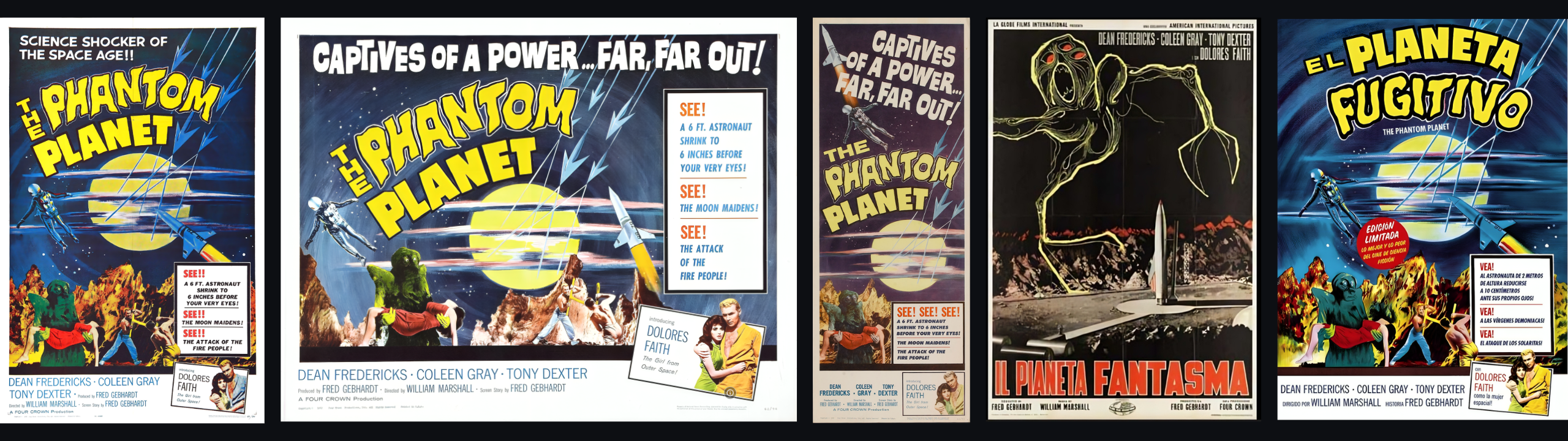
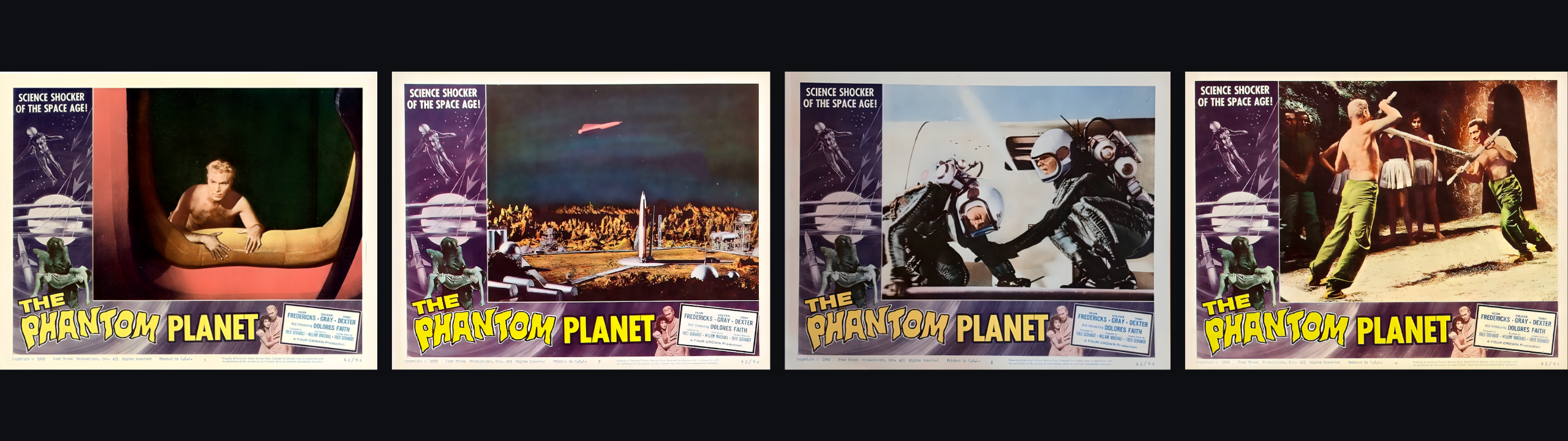
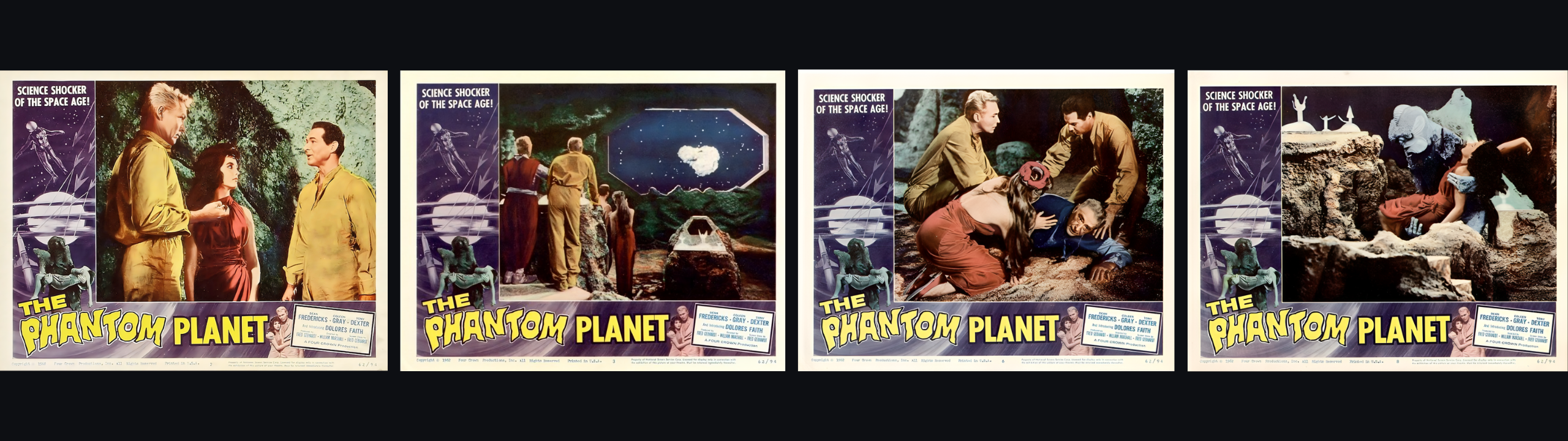
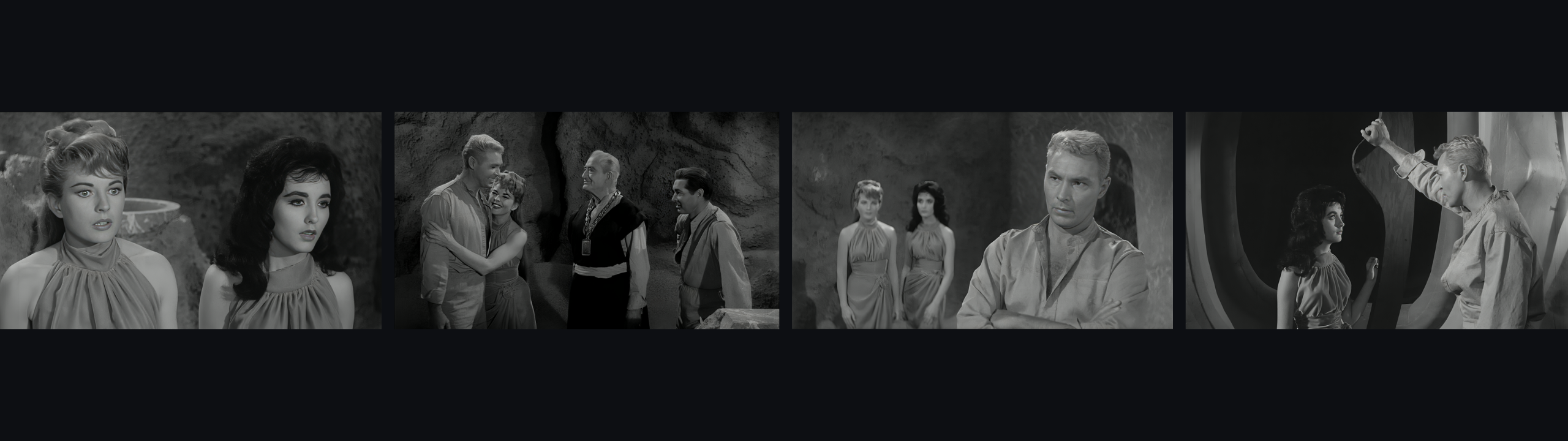
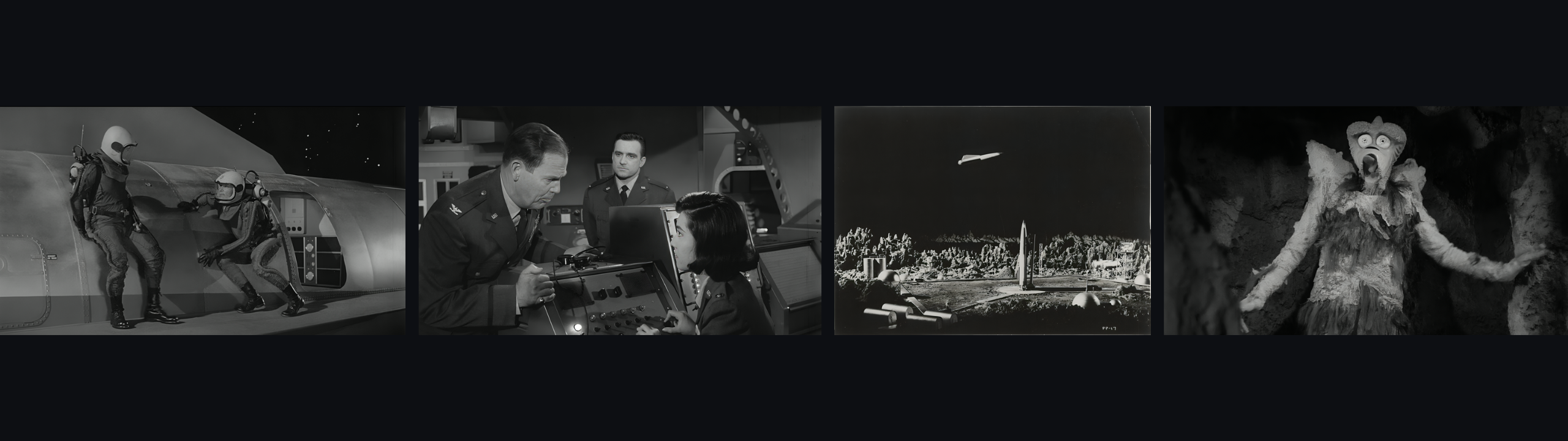
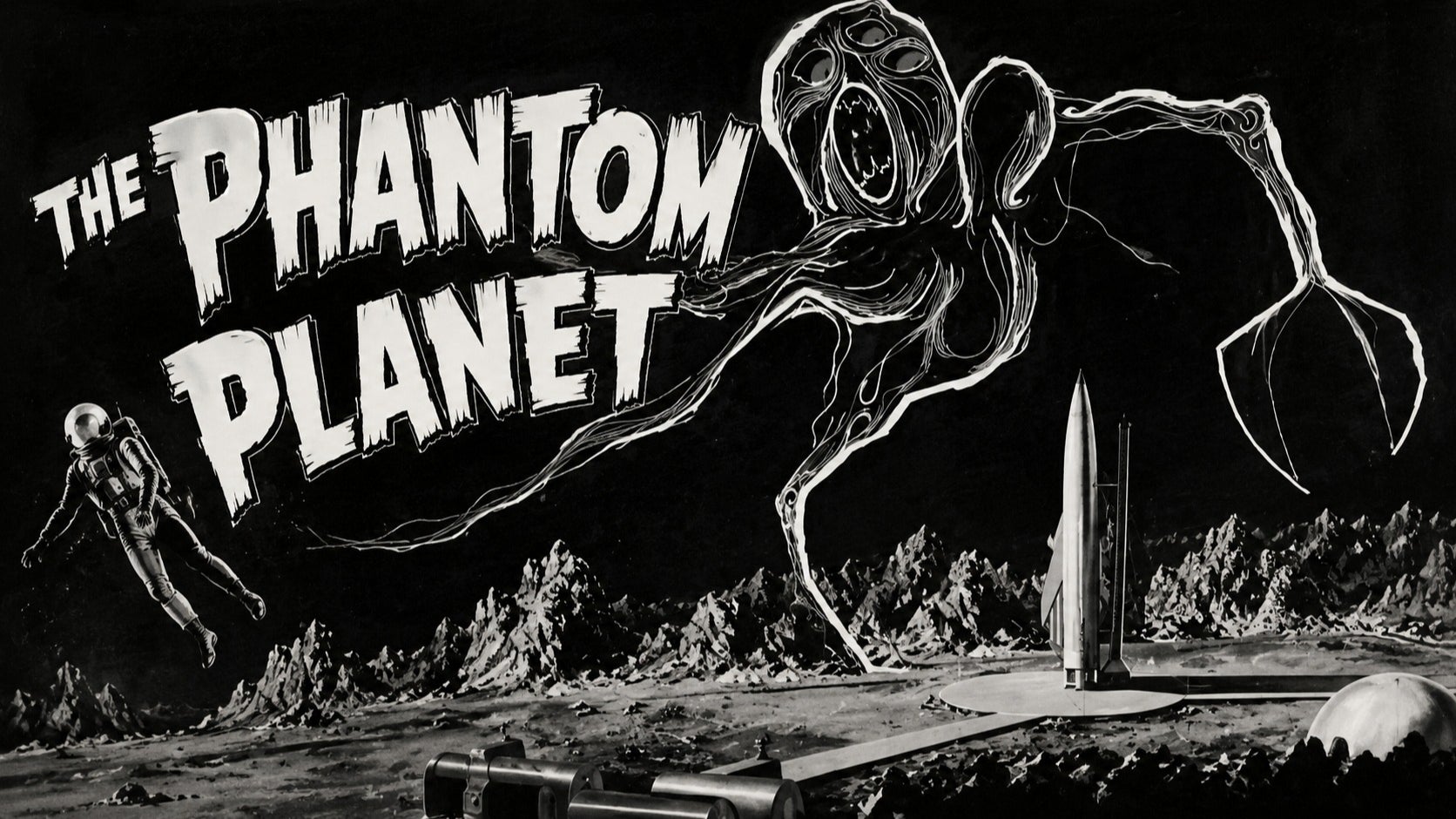
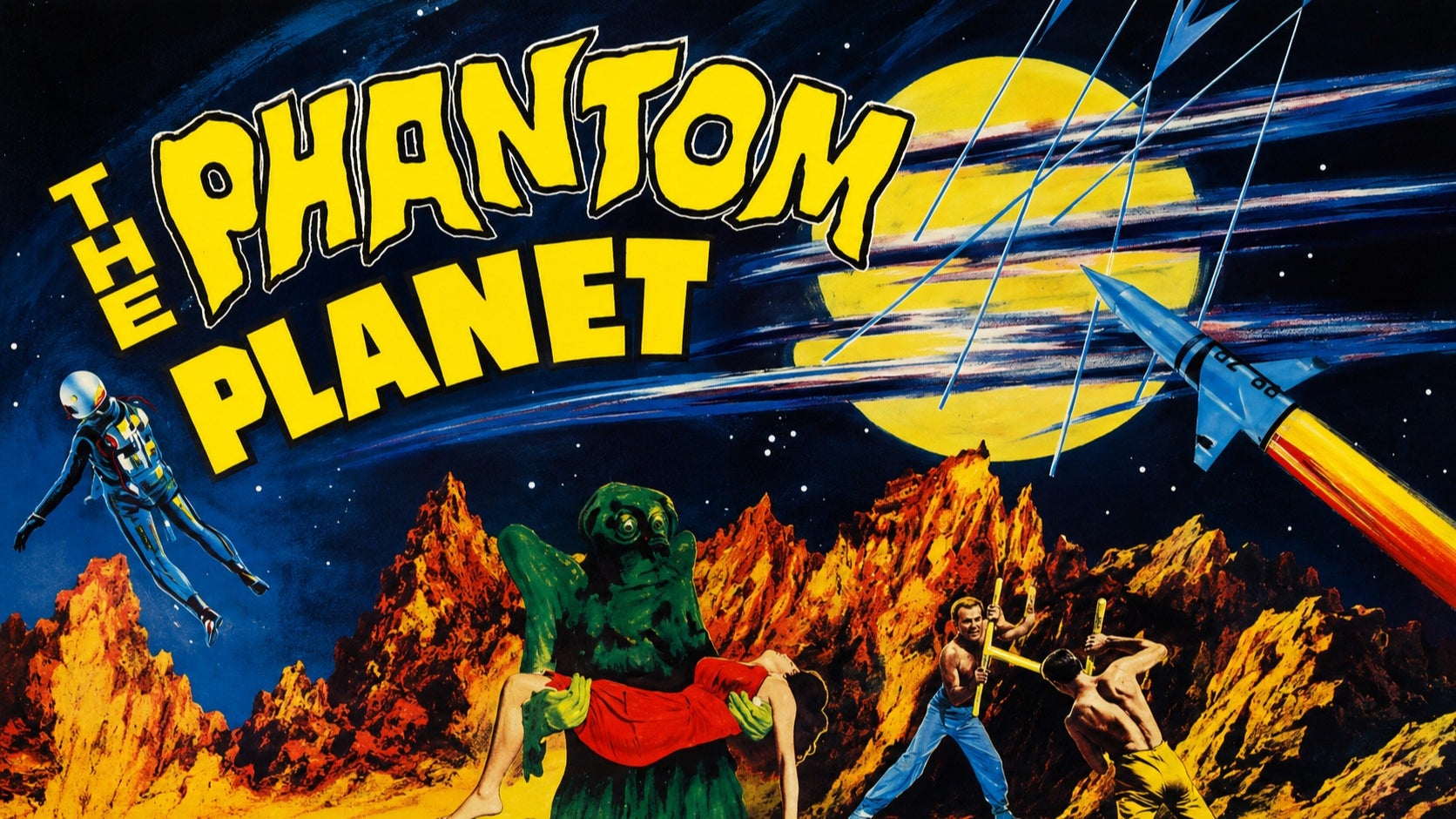
SYNOPSIS: The Phantom Planet is a 1961 American independent science fiction film directed by William Marshall and starring Dean Fredericks, Coleen Gray, Anthony Dexter, and Dolores Faith. The story follows astronaut Captain Frank Chapman, whose rescue mission takes an unexpected turn when his spacecraft is drawn toward a mysterious rogue planet hidden within the solar system.
After crash-landing on the tiny world of Rhea, Chapman discovers that he has been reduced to the same miniature size as its inhabitants.
Welcomed by the peaceful people of Rhea, Chapman befriends Princess Liara and learns that the planet is under constant threat from the hostile Solarites, a race determined to conquer the tiny world. Using his courage and military experience, Chapman joins the Rheans in defending their home while searching for a way to repair his spacecraft and return to Earth.
Produced on a modest budget, The Phantom Planet combines science fiction, adventure, and romance with imaginative miniature effects and creative production design. Although never a major box-office success, the film has earned a loyal cult following for its inventive premise, charming performances, and nostalgic portrayal of early space-age adventure.
PLOT Spoiler Alert: The Phantom Planet (1961) follows Captain Frank Chapman as he investigates the disappearance of another astronaut, only to be pulled onto the mysterious planet Rhea after his spacecraft crashes. Exposure to the planet's atmosphere causes him to shrink to the same size as its inhabitants, who welcome him into their peaceful civilization. Chapman quickly befriends Princess Liara and learns that Rhea is under attack from the aggressive Solarites.
Determined to help his new allies, Chapman joins the fight against the invading Solarites while working to repair his damaged spacecraft. As the conflict escalates, his bravery helps protect the tiny planet and secure peace for its people. At the same time, his growing affection for Liara makes the decision to leave increasingly difficult.
After the Solarites are defeated, Chapman successfully repairs his ship and returns to Earth, leaving behind the friends he has made on Rhea. The film ends with his remarkable adventure remaining a secret known only to him, closing on a hopeful note of exploration and discovery.
PRODUCTION: Directed and written by William Marshall, The Phantom Planet was produced independently during the height of America's fascination with space exploration. Working with a limited budget, the filmmakers relied on practical effects, miniature sets, and forced-perspective photography to create the tiny world of Rhea rather than expensive special effects.
Cinematographer Fred Jackman Jr. and composer Leith Stevens helped give the film a distinctive atmosphere that blended adventure with classic 1960s science fiction. Despite its modest production, the film remains one of the more imaginative independent space adventures of its era.
RELEASE: The Phantom Planet was released in the United States on December 13, 1961. Although it received only modest attention during its original theatrical release, the film later found a wider audience through television broadcasts and public-domain home video releases.
Today, it is regarded as a cult science fiction classic. Its inventive premise, miniature-world setting, and nostalgic charm have made it a favorite among fans of vintage B-movies and early space-age cinema.
CAST:
Dean Fredericks as Captain Frank Chapman
Coleen Gray as Liara
Anthony Dexter as Herron
Richard Kiel as the Solarite
Dolores Faith as Zetha
Francis X. Bushman as Sessom
CREW:
Director: William Marshall
Producer: Fred Gebhardt
Writer: William Marshall
Cinematographer: Fred Jackman Jr.
Editor: William Morgan
Music: Leith Stevens
Production Company: Fred Gebhardt Productions
Distributor: American International Pictures
Release Date: December 13, 1961
Country of Origin: United States
Running Time: 82 minutes
Budget: N/A
Box Office Return: N/A
IMDb Rating = 4.7 / 10
TRIVIA:
The film was written and directed by William Marshall.
Its miniature world was created using practical effects and forced-perspective photography.
Silent film star Francis X. Bushman appeared in one of his final screen roles.
The movie reflects America's fascination with the early Space Race.
The Phantom Planet entered the public domain, making it widely available on home video.
It gained new popularity after appearing on Mystery Science Theater 3000.
The film has become a cult favorite among fans of classic science fiction B-movies.
Today, it is remembered for its imaginative concept and enduring nostalgic appeal.
Conversations in the spacecraft referring to 'degrees ecliptic' and 'degrees azimuth' are true expressions within general astronomical navigational vernacular. 'Degrees ecliptic' refers to a celestial latitude, and measures the angular distance of an object from the orbital plan of the Earth around the sun. 'Degrees azimuth' describes an object's position by way of a vector angle referenced to a known point of reference such as true north.
The droning background sound on the planet is from the music library cue "Caliban [sometimes spelled Calibal] and Ariel" by Desmond Leslie from "Vintage Sci-Fi" (JW 2073).
The film takes place in 1980.
This would be the final feature film of special photographic effects specialist Louis DeWitt.

OUR MOVIE REVIEWERS SAY...

"A fun and imaginative sci-fi adventure that embraces the charm of classic B-movies. Its creative miniature effects and unique premise make it an enjoyable watch for fans of vintage science fiction."

"The Phantom Planet offers an interesting concept with modest special effects and earnest performances. While its pacing and low-budget production show their age, it remains an entertaining example of early 1960s science fiction."

"Despite its imaginative premise, the film struggles with uneven acting and simplistic storytelling. Its limited effects and predictable plot may leave viewers looking for a more compelling sci-fi experience."